


- April 18, 2026
- by admingas
- Tank Farm Leasing
The marine fuel storage Netherlands system is a core component of global shipping logistics, supporting one of the busiest maritime regions in the world. The Netherlands—especially the Port of Rotterdam—functions as a major hub where marine fuels such as bunker fuel, diesel, and low-sulfur marine oil are received, stored, blended, and redistributed to international shipping routes.
This article is intended for shipping operators, fuel buyers, traders, procurement specialists, and logistics analysts who need a clear understanding of how marine fuel storage infrastructure operates. It also explains how fuel sourced from U.S. refineries enters this system, and why Dutch storage terminals play a critical role in ensuring global shipping continuity.
Understanding this system is essential for managing fuel procurement costs, ensuring compliance with environmental regulations, and reducing supply chain risks in maritime operations.
Marine fuel storage Netherlands: system overview and strategic role
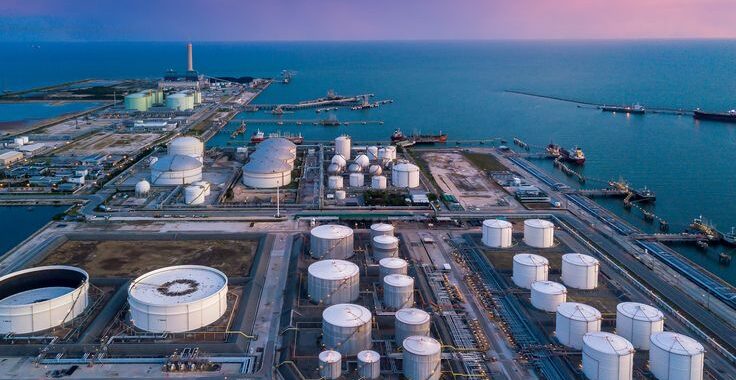
The marine fuel storage Netherlands network is built around large-scale tank terminals concentrated in and around Rotterdam. These facilities store and distribute marine fuels used by commercial shipping fleets operating across Europe and global trade routes.
Strategic importance in global shipping
The Netherlands is strategically positioned because:
- It sits on major North Sea shipping routes
- It connects to inland European waterways
- It hosts one of the largest bunker fuel markets globally
- It serves as a redistribution hub for imported fuels
Marine fuel arriving in the Netherlands is rarely consumed immediately. Instead, it is stored, blended, and redistributed based on shipping demand and pricing conditions.
This makes the Netherlands a supply balancing hub for marine energy.
Infrastructure behind marine fuel storage Netherlands
The strength of marine fuel storage Netherlands lies in its highly integrated infrastructure system, combining storage terminals, pipelines, and maritime logistics networks.
Tank terminals and storage facilities
Marine fuel is stored in specialized tank terminals that include:
- Fixed-roof tanks for stable marine fuels
- Floating-roof tanks for volatile petroleum products
- Segregated storage zones for different fuel grades
- Heating systems for heavy fuel oil (HFO)
- Continuous monitoring systems for quality control
These systems ensure fuel stability and prevent contamination between grades.
Port infrastructure and bunkering systems
The Port of Rotterdam is the primary hub, equipped with:
- Deep-water berths for large tankers
- Ship-to-ship transfer zones
- Bunkering barges for offshore refueling
- Automated loading arms for fuel transfer
Bunkering (the process of supplying fuel to ships) is a major activity in this region.
Inland connectivity
From storage terminals, marine fuels are distributed via:
- Pipelines to industrial regions
- Barges through inland waterways
- Truck loading terminals for regional supply
This multimodal system ensures uninterrupted fuel availability.
For broader infrastructure context, see https://gastanks.nl/ and company overview at https://gastanks.nl/about/. These examples illustrate how storage systems are integrated into broader energy logistics frameworks. Operational coordination inquiries are typically managed via https://gastanks.nl/contact/.
Marine fuel storage Netherlands: fuel types and specifications
Marine fuels stored in the Netherlands must meet strict technical and environmental standards.
Main fuel categories
Common marine fuels include:
- VLSFO (Very Low Sulfur Fuel Oil): compliant with IMO 2020 regulations
- MGO (Marine Gas Oil): lighter distillate fuel for engines
- HSFO (High Sulfur Fuel Oil): used in vessels with scrubbers
- Blended biofuels: emerging low-carbon marine alternatives
Fuel quality requirements
Marine fuels must comply with:
- Sulfur content limits (global maritime standards)
- Viscosity and density specifications
- Flash point safety requirements
- Contaminant restrictions (water, sediments, metals)
Blending operations
Terminals often blend fuels to meet customer specifications. This process requires:
- Precision mixing systems
- Laboratory testing
- Continuous quality monitoring
Blending flexibility is a major advantage of Dutch storage hubs.
Pricing and commercial structure in marine fuel storage Netherlands
Pricing within marine fuel storage Netherlands is influenced by global oil markets and local logistics costs.
Key cost components
Marine fuel pricing includes:
- Crude oil benchmark pricing (Brent-linked)
- Refining margins
- Storage fees
- Bunkering service charges
- Inland distribution costs
Storage pricing mechanisms
Storage costs depend on:
- Tank type and size
- Duration of storage lease
- Fuel grade and volatility
- Seasonal demand fluctuations
Storage itself becomes a tradable commodity in high-demand periods.
Contract structures
Common arrangements include:
- Spot purchases for immediate bunkering
- Term supply contracts for shipping fleets
- Storage leasing agreements for traders
- Blended fuel supply contracts
Market trends are influenced by global energy conditions tracked by:
- U.S. Energy Information Administration — https://www.eia.gov
- International Energy Agency — https://www.iea.org
- OPEC — https://www.opec.org
Regulatory and environmental compliance
The Netherlands operates under strict European and international maritime regulations.
IMO 2020 regulation impact
One of the most significant changes is the IMO 2020 sulfur cap, which limits sulfur content in marine fuels. This has led to:
- Increased demand for low-sulfur fuels
- Expansion of blending operations
- Reduced use of high-sulfur fuel oil unless scrubbers are installed
EU environmental standards
Marine fuel storage must comply with:
- Emissions control regulations
- Hazardous material handling rules
- Waste and spill prevention standards
Inspection and certification
Each fuel batch undergoes:
- Independent laboratory testing
- Quality certification
- Volume measurement verification
- Customs compliance checks
Non-compliance can result in shipment rejection or port delays.
Logistics and operational flow of marine fuel storage Netherlands
The marine fuel supply chain follows a structured operational process:
Step 1: Arrival and discharge
Fuel arrives via tanker vessels and is unloaded into designated storage tanks.
Step 2: Storage and monitoring
Fuel is stored under controlled conditions with continuous:
- Temperature monitoring
- Contamination detection
- Volume tracking
Step 3: Blending and preparation
If required, fuels are blended to meet customer specifications.
Step 4: Distribution
Fuel is delivered via:
- Bunkering barges
- Pipeline networks
- Truck or rail systems
This ensures flexible delivery to ships across the region.
Risks and operational challenges
Despite advanced infrastructure, several risks exist in marine fuel storage Netherlands operations.
Price volatility risk
Marine fuel prices are highly sensitive to:
- Global crude oil fluctuations
- Geopolitical events
- Shipping demand cycles
Storage congestion
During peak demand periods:
- Tank capacity becomes limited
- Storage prices increase
- Delivery delays may occur
Documentation and compliance risk
Errors in paperwork can cause:
- Customs delays
- Cargo rejection
- Financial penalties
Counterparty risk
Buyers must verify:
- Supplier legitimacy
- Storage availability claims
- Contract enforcement conditions
Market outlook and future trends
The marine fuel sector in the Netherlands is evolving rapidly due to environmental and technological changes.
Decarbonization pressure
The maritime industry is shifting toward:
- Low-sulfur fuels
- LNG (liquefied natural gas) alternatives
- Biofuel integration
- Future hydrogen-based shipping fuels
Digital transformation
Emerging technologies include:
- Automated terminal operations
- Blockchain-based fuel tracking
- Real-time inventory systems
Continued strategic relevance
Despite energy transitions, the Netherlands remains essential due to:
- Established bunker fuel infrastructure
- Global shipping connectivity
- High storage capacity concentration
Reports from:
- Reuters Energy — https://www.reuters.com/business/energy/
- OilPrice — https://oilprice.com
confirm continued strong demand for marine fuels in global trade.
Buyer strategy and risk management in marine fuel storage Netherlands
For buyers and shipping operators, success depends on structured procurement planning.
Key procurement strategies
Effective approaches include:
- Diversifying fuel sourcing regions
- Securing storage capacity early
- Using verified suppliers and terminals
- Structuring flexible supply contracts
Supply chain resilience
A resilient strategy includes:
- Multiple bunkering locations
- Backup fuel suppliers
- Insurance for marine fuel transit risks
Role of infrastructure coordination
Efficient fuel delivery depends on integrated storage and logistics systems. Facilities such as those referenced at https://gastanks.nl/ demonstrate how storage infrastructure supports broader energy distribution networks. Further operational context is available at https://gastanks.nl/about/, with coordination through https://gastanks.nl/contact/.
Conclusion
The marine fuel storage Netherlands system is a vital pillar of global maritime logistics. It connects international fuel production with shipping demand through a highly advanced network of storage terminals, blending facilities, and distribution systems.
For buyers, shipping operators, and energy analysts, understanding this system is essential for controlling costs, ensuring compliance, and maintaining supply reliability.
As global shipping evolves under environmental pressure and fuel diversification, the Netherlands will remain a central hub in marine fuel logistics—balancing traditional petroleum supply with emerging low-carbon marine energy solutions.