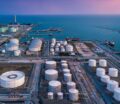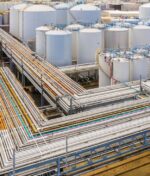



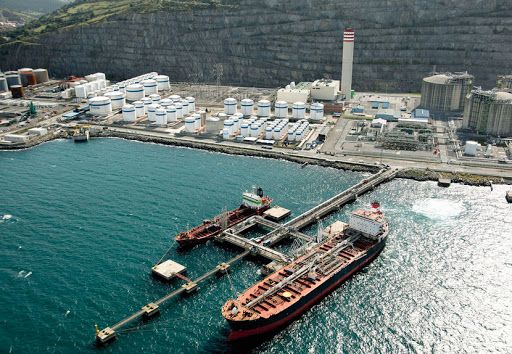
The barge loading terminal Netherlands system is a key component of European petroleum and chemical logistics, enabling the movement of fuels from coastal storage hubs into inland markets across Europe. These terminals are especially concentrated around Rotterdam, where global imports are received, stored, and redistributed via inland waterways.
This article is designed for energy buyers, logistics planners, traders, and procurement professionals who need a structured understanding of how barge loading terminals function. It also explains how petroleum imported from U.S. refineries and other global suppliers is handled within this system before reaching final destinations.
Understanding this infrastructure is essential for reducing delivery risk, optimizing transportation costs, and ensuring compliance in international fuel trade.
barge loading terminal Netherlands: system overview and strategic role
The barge loading terminal Netherlands network is part of a highly integrated logistics system that connects seaports with inland Europe through rivers and canals. These terminals serve as transfer points where petroleum products are loaded from storage tanks onto barges for inland transport.
Strategic function in European supply chains
The Netherlands plays a central role in energy redistribution because:
- It sits at the intersection of North Sea shipping routes
- It connects directly to major European river systems
- It hosts large-scale petroleum storage infrastructure
- It supports continuous inland fuel demand
Barges act as the “last-mile transport system” for bulk fuel distribution across Europe.
For broader infrastructure context and storage systems, see https://gastanks.nl/ and company overview at https://gastanks.nl/about/. These illustrate how integrated storage and logistics networks support fuel distribution. Operational coordination inquiries are typically handled via https://gastanks.nl/contact/.
Infrastructure behind barge loading terminal Netherlands
The strength of the barge loading terminal Netherlands system lies in its combination of storage terminals, loading facilities, and inland waterway connectivity.
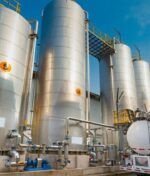
Terminal storage and tank integration
Barge terminals are directly connected to tank farms that store:
- Crude oil
- Gasoline and diesel
- Jet fuel
- Chemical and blended products
Storage tanks are equipped with:
- Automated level monitoring systems
- Temperature control systems
- Segregated compartments for different fuel grades
This ensures product integrity before loading.
Loading systems and infrastructure
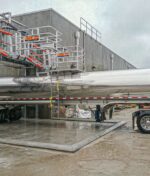
Barge loading terminals include:
- Loading arms for direct fuel transfer
- Pumping systems connected to storage tanks
- Metering systems for custody transfer accuracy
- Vapor recovery systems for environmental safety
These systems enable high-volume, continuous operations.
Inland waterway network
The Netherlands has one of the most advanced inland waterway systems in Europe. Barges travel through:
- Rhine River corridors
- Meuse River routes
- Canal systems linking industrial regions
This network connects Rotterdam to Germany, Belgium, France, and Switzerland.
barge loading terminal Netherlands: operational process and logistics flow
The operational flow in barge loading terminal Netherlands systems follows a structured sequence designed for efficiency and safety.
Step 1: Fuel arrival and storage allocation
Fuel arrives at coastal terminals via tanker ships and is:
- Unloaded into storage tanks
- Classified by grade and specification
- Assigned to specific storage compartments
Step 2: Quality control and verification
Before loading, fuel undergoes:
- Laboratory testing
- Density and viscosity checks
- Contaminant analysis
- Volume verification
This ensures compliance with European standards.
Step 3: Barge loading process
Fuel is transferred into barges using:
- Automated loading arms
- Flow control systems
- Metering devices for precise measurement
Loading operations are carefully monitored to prevent contamination or spillage.
Step 4: Inland transport
Once loaded, barges transport fuel to:
- Inland refineries
- Industrial storage facilities
- Distribution hubs
This stage is essential for final market delivery.
Pricing structure and commercial dynamics
Pricing within barge loading terminal Netherlands operations is influenced by both global fuel markets and local logistics costs.
Key cost components
Total cost typically includes:
- Commodity price (linked to Brent crude benchmarks)
- Terminal handling fees
- Storage costs
- Barge transport fees
- Inland delivery charges
Contract structures
Common commercial arrangements include:
- Spot contracts for immediate delivery
- Term contracts for long-term supply stability
- Storage and handling agreements
- Integrated logistics contracts
These structures help balance cost volatility and supply security.
Market pricing references are influenced by global organizations such as:
- U.S. Energy Information Administration — https://www.eia.gov
- International Energy Agency — https://www.iea.org
- OPEC — https://www.opec.org
Regulatory and compliance framework
The Netherlands operates under strict European Union regulations governing fuel transport and storage.
EU transport and safety regulations
Barge loading terminals must comply with:
- EU environmental protection standards
- Inland waterway transport safety rules
- Hazardous materials handling regulations
- Fuel quality directives
Inspection and documentation
Each shipment requires:
- Cargo documentation verification
- Independent quality certification
- Volume measurement confirmation
- Customs clearance compliance
Environmental protection standards
Terminals are required to implement:
- Spill prevention systems
- Emission control technologies
- Waste management protocols
- Emergency response procedures
These standards are critical due to proximity to waterways.
Risks and operational challenges in barge loading terminal Netherlands
Despite high efficiency, several risks affect barge loading terminal Netherlands operations.
Transport delays and congestion
Common issues include:
- River congestion during peak demand
- Weather-related transport delays
- Limited barge availability
Storage and scheduling risks
Problems may arise from:
- Tank capacity shortages
- Overlapping loading schedules
- Supply chain bottlenecks
Documentation and compliance errors
Mistakes in paperwork can lead to:
- Customs delays
- Financial penalties
- Cargo rejection
Counterparty and contract risk
Buyers must carefully verify:
- Supplier legitimacy
- Storage availability claims
- Contract enforcement terms
Market structure and global supply chain role
The Netherlands is a central node in global petroleum redistribution, and barge terminals are essential to this system.
Integration with global oil supply
Fuel entering Dutch terminals often originates from:
- U.S. refineries
- Middle Eastern producers
- African oil exporters
This fuel is redistributed across Europe via inland waterways.
Role in European energy security
Barge terminals help stabilize supply by:
- Redistributing imported fuel inland
- Balancing regional demand fluctuations
- Supporting industrial consumption centers
Market intelligence and trends
Industry analysis from:
- Reuters Energy — https://www.reuters.com/business/energy/
- OilPrice — https://oilprice.com
shows continued reliance on inland fuel logistics despite energy transition trends.
Buyer strategy and risk mitigation
Effective procurement in barge loading terminal Netherlands systems requires structured planning.
Key procurement strategies
Buyers should:
- Diversify supply sources across regions
- Secure terminal access in advance
- Use verified logistics partners
- Structure flexible contracts
Supply chain resilience
A resilient strategy includes:
- Multiple storage and loading terminals
- Alternative transport routes
- Insurance coverage for inland transport risks
Infrastructure coordination importance
Efficient logistics depend on coordinated storage and transport systems. Facilities such as those referenced at https://gastanks.nl/ demonstrate how integrated infrastructure supports European fuel distribution networks. Further operational context is available at https://gastanks.nl/about/, with coordination support through https://gastanks.nl/contact/.
Future outlook of barge loading terminal Netherlands
The future of barge loading terminal Netherlands systems is shaped by environmental policy, digitalization, and global energy shifts.
Energy transition impact
Although petroleum demand remains strong, terminals are adapting through:
- Increased biofuel integration
- Cleaner fuel blending requirements
- Emissions monitoring systems
Digital logistics transformation
New technologies include:
- Automated barge scheduling systems
- Blockchain-based cargo documentation
- Real-time tracking and monitoring tools
Continued strategic relevance
Despite changes in energy systems, inland waterway transport remains essential due to:
- Cost efficiency
- Low emissions compared to road transport
- High cargo capacity per shipment
Conclusion
The barge loading terminal Netherlands system is a critical component of Europe’s inland fuel distribution network. It connects global petroleum imports with regional consumption through highly efficient storage, loading, and waterway transport systems.
For buyers, traders, and logistics professionals, understanding this system is essential for managing cost, reducing risk, and ensuring reliable delivery across European markets. From U.S. refinery exports to inland industrial demand, barge terminals serve as the final and essential link in the supply chain.
As energy markets evolve, these terminals will continue to play a vital role in balancing traditional fuel logistics with emerging low-carbon transport and distribution systems.