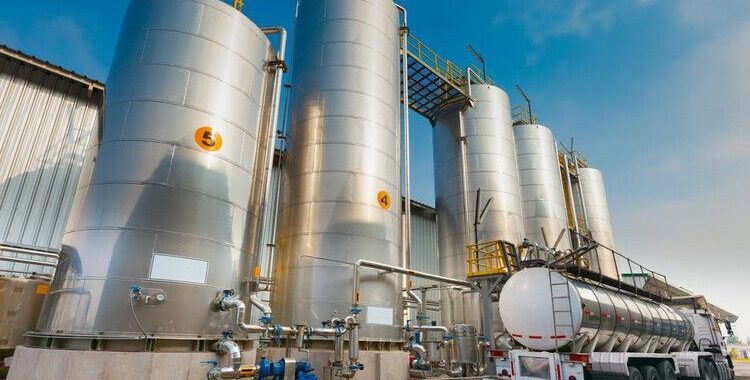
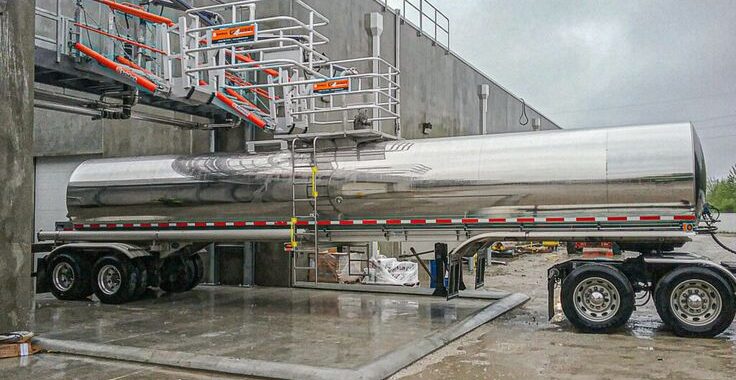
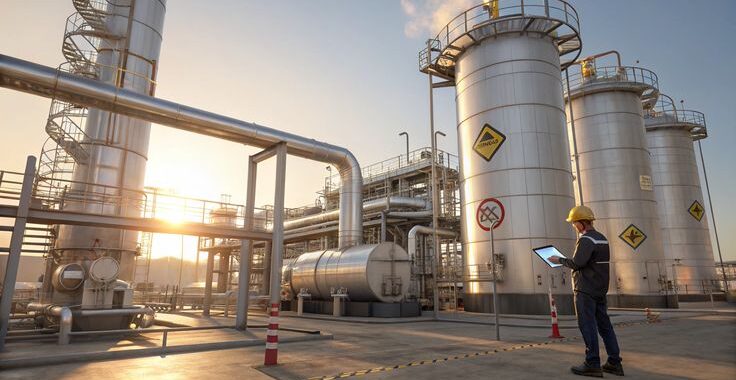
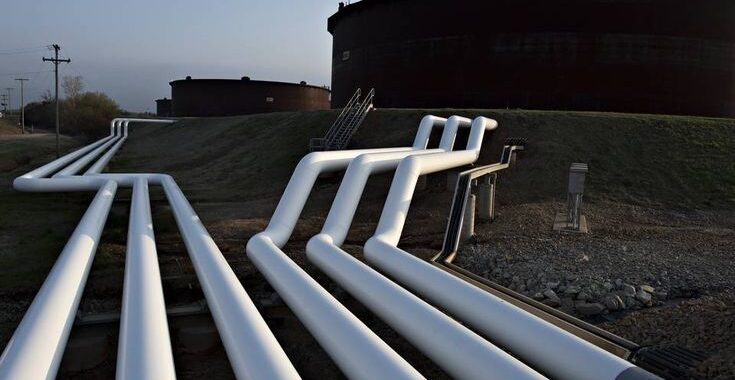
The bulk liquid transfer services sector forms the backbone of global energy and chemical logistics, enabling the safe and efficient movement of large volumes of liquid commodities such as crude oil, refined petroleum products, chemicals, and biofuels. These services ensure continuity across complex supply chains that connect refineries, storage terminals,…
The fuel loading and unloading terminal is a critical infrastructure point in global petroleum logistics where fuel is transferred between transport modes such as ships, pipelines, railcars, trucks, and storage tanks. These terminals function as operational gateways that ensure crude oil and refined products move efficiently through the international supply…
The tank terminal operations Netherlands system is one of the most advanced petroleum storage and handling networks in the world, forming a critical link between global fuel production and European consumption. Concentrated around major hubs such as Rotterdam, these operations manage the receipt, storage, blending, and redistribution of crude oil…
The petroleum handling services sector is a critical component of global energy logistics, ensuring that crude oil and refined products are safely transferred, stored, and distributed across international markets. These services operate at every stage of the supply chain—from refinery output to final delivery—making them essential for buyers, traders, and…
The fuel supply chain Netherlands is one of the most sophisticated and strategically important energy distribution systems in the world. It connects global petroleum production—especially from U.S. refineries and other major exporters—to European markets through an integrated network of ports, storage terminals, pipelines, and inland transport systems. This article is…
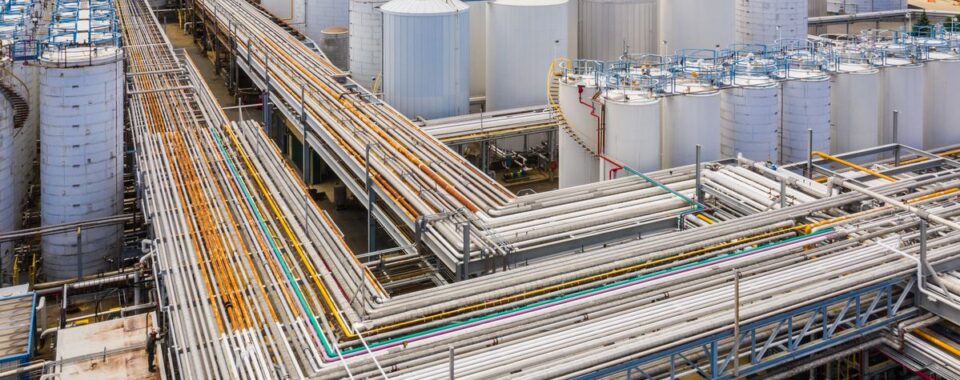
The pipeline storage Netherlands system is a critical component of Europe’s petroleum logistics network, linking large-scale storage terminals directly to inland distribution systems through high-capacity pipelines. For energy buyers, traders, and procurement professionals, understanding this infrastructure is essential for ensuring efficient fuel movement, reducing transport costs, and minimizing supply risk.…