


For energy traders, wholesalers, and industrial fuel buyers, understanding LPG storage Netherlands is essential for managing supply reliability and price exposure in the European market. This article is designed for buyers sourcing liquefied petroleum gas (LPG) internationally—particularly from U.S. refineries—and needing secure storage solutions upon arrival in Europe.
The key problem it addresses is the gap between procurement and delivery: even when LPG is competitively sourced, the absence of reliable storage can disrupt distribution, increase costs, and create contractual risks. Buying directly from a U.S. refinery often offers pricing transparency and stable supply, but without coordinated storage access in the Netherlands, logistical bottlenecks can undermine those advantages.
This guide explains LPG storage infrastructure, regulatory frameworks, pricing models, and operational risks, while offering practical insights for building a resilient supply chain.
What Is LPG and Why Storage Matters
Liquefied Petroleum Gas (LPG) is a mixture of propane and butane gases that are liquefied under moderate pressure. Unlike LNG, LPG does not require extremely low temperatures, making it easier to store and transport.
Key Uses of LPG
- Residential heating and cooking
- Industrial fuel applications
- Petrochemical feedstock
- Automotive fuel (autogas)
Why Storage Is Critical
LPG storage facilities serve several functions:
- Balancing supply and demand fluctuations
- Maintaining buffer stock for distribution networks
- Enabling bulk imports and redistribution
- Supporting seasonal consumption patterns
For buyers, storage is not optional—it is a core component of supply chain management.
LPG Storage Netherlands Infrastructure Overview
The Netherlands is a central hub for LPG storage and redistribution in Europe due to its advanced port infrastructure and strong logistics network.
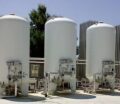
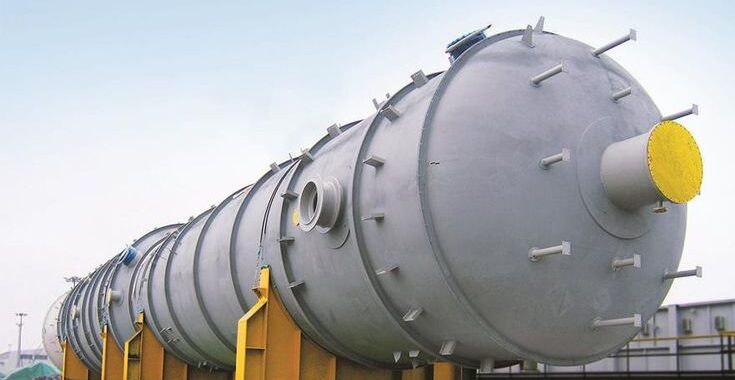
Types of LPG Storage Facilities
LPG is typically stored in:
- Pressurized tanks (for smaller volumes)
- Refrigerated tanks (for large-scale storage)
- Underground caverns (less common, but used for strategic reserves)
Facilities are usually located near major ports to facilitate imports.
Strategic Advantages of Dutch Infrastructure
- Access to major seaports such as Rotterdam
- Efficient inland distribution via pipelines, rail, and trucks
- Integration with European energy markets
For buyers, this allows flexible delivery options and access to multiple end markets.
For infrastructure insights and service capabilities, see:
https://gastanks.nl/
https://gastanks.nl/services/
LPG Storage Netherlands Capacity and Market Access
Capacity Constraints
While the Netherlands has significant LPG storage capacity, availability can fluctuate due to:
- Seasonal demand peaks (especially winter)
- Increased import volumes
- Long-term capacity reservations
Buyers must secure storage in advance to avoid disruptions.
Access Models
- Dedicated storage contracts: Long-term agreements with guaranteed capacity
- Shared storage: Flexible but dependent on availability
- Third-party access: Regulated access to infrastructure
According to trends reported by the U.S. Energy Information Administration (https://www.eia.gov) and the International Energy Agency (https://www.iea.org), Europe’s demand for imported LPG has grown steadily, increasing pressure on storage systems.
Regulatory Framework for LPG Storage Netherlands
EU and Dutch Regulations
LPG storage facilities in the Netherlands operate under:
- European Union energy regulations
- Environmental and safety standards
- Hazardous materials handling laws
Key Compliance Requirements
Buyers must ensure:
- Proper import documentation
- Compliance with safety regulations
- Adherence to environmental standards
Additionally, Third-Party Access (TPA) rules require operators to provide fair access to infrastructure under regulated conditions.
Failure to comply with these requirements can result in delays, fines, or contract termination.
LPG Storage Netherlands Pricing and Contracts
Cost Components
Storage pricing typically includes:
- Capacity fees: Cost of reserving tank space
- Handling fees: Charges for loading and unloading LPG
- Storage duration fees: Based on how long the product is stored
Contract Structures
- Long-term contracts: Offer stability and lower costs
- Spot agreements: Provide flexibility but can be expensive
Buyers importing LPG from U.S. refineries often prefer long-term contracts to align with supply agreements and reduce exposure to spot market volatility.
Market pricing insights can be monitored via:
https://oilprice.com
https://www.reuters.com/business/energy/
Logistics and Delivery Realities
LPG Supply Chain Flow
- LPG produced at refinery or gas processing plant
- Transported via tanker ship
- Delivered to Dutch port terminal
- Stored in pressurized or refrigerated tanks
- Distributed via pipeline, rail, or truck
Key Logistics Challenges
- Port congestion during peak periods
- Limited unloading slots for vessels
- Coordination between shipping and storage schedules
Delays can lead to demurrage charges, increasing overall transaction costs.
Risks and Common Buyer Mistakes
1. Not Securing Storage in Advance
One of the most frequent issues is purchasing LPG without confirmed storage capacity, leading to forced resale or delays.
2. Overlooking Contract Details
Storage contracts may include:
- Minimum volume commitments
- Penalties for underutilization
- Restrictions on product handling
3. Underestimating Regulatory Complexity
Compliance requirements can delay operations if documentation is incomplete or incorrect.
4. Misaligned Logistics Planning
Failure to synchronize shipping schedules with storage availability can result in costly delays.
Opportunities for Buyers in the Dutch LPG Market
Strategic Benefits
- Access to a major European distribution hub
- Ability to optimize supply timing
- Opportunities for regional arbitrage
U.S. LPG Supply Integration
Direct sourcing from U.S. refineries offers:
- Transparent pricing structures
- Reliable supply volumes
- Diversification away from regional supply risks
When combined with Dutch storage infrastructure, this creates a robust and flexible supply chain.
Market Outlook and Future Trends
Growing Demand for LPG
LPG demand in Europe is expected to remain strong due to:
- Continued use in residential and industrial sectors
- Transition to cleaner-burning fuels compared to coal
- Expanding petrochemical demand
Infrastructure Development
Investments in storage and terminal capacity are ongoing, particularly in key hubs like the Netherlands.
Price Volatility Drivers
LPG prices are influenced by:
- Crude oil price movements
- Seasonal demand patterns
- Global supply-demand dynamics
Organizations such as https://www.opec.org and the International Energy Agency provide ongoing analysis of these trends.
Supply Reliability and Risk Mitigation
Best Practices
- Secure long-term storage agreements
- Diversify supply sources
- Align logistics with storage capacity
- Conduct due diligence on storage providers
Risk Management Tools
- Hedging against price fluctuations
- Flexible contract structures
- Strategic partnerships with infrastructure providers
Reliable storage access reduces exposure to both operational and market risks.
Practical Guidance for Buyers
To effectively utilize LPG storage in the Netherlands:
- Plan storage early before purchasing LPG cargo
- Understand contract terms including all fees and obligations
- Monitor market conditions regularly
- Ensure regulatory compliance at all stages
- Coordinate logistics carefully to avoid delays
For companies seeking storage infrastructure or partnership opportunities, the following resources provide further information:
Conclusion
LPG storage facilities in the Netherlands are a critical component of Europe’s energy supply chain. They enable efficient import, storage, and redistribution of LPG across the region.
For buyers, success depends on more than sourcing competitive supply—it requires aligning procurement with storage capacity, regulatory compliance, and logistics planning. Direct sourcing from U.S. refineries can provide significant advantages, but only when supported by reliable infrastructure at the destination.
By understanding the structure, risks, and opportunities of LPG storage in the Netherlands, buyers can build more resilient, cost-effective, and scalable supply strategies in an increasingly complex global energy market.