


For fuel traders, refiners, and bulk buyers, understanding petroleum storage Netherland is essential for managing supply chains across Europe. This article is designed for buyers importing refined products or crude derivatives—particularly from U.S. refineries—who require secure, compliant, and strategically located storage infrastructure.
The core challenge it addresses is how to bridge the gap between international sourcing and European distribution. Even when petroleum products are competitively priced at origin, the absence of reliable storage tanks in the Netherlands can lead to delays, higher costs, and contractual exposure. Direct procurement from U.S. refineries often improves pricing transparency and supply consistency, but without coordinated storage access, those advantages are diminished.
This guide provides a structured explanation of petroleum storage tank systems, regulatory requirements, pricing models, logistics realities, and risk mitigation strategies for buyers operating in the Dutch market.
Petroleum Storage Netherlands Infrastructure Overview
The Netherlands is one of Europe’s most important petroleum storage hubs, largely due to its port infrastructure and central geographic position.
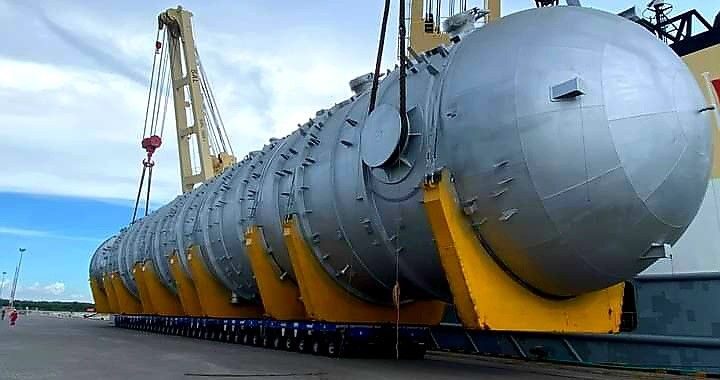
Types of Petroleum Storage Tanks
Petroleum products are stored in several types of tanks, depending on their characteristics:
- Fixed-roof tanks: Used for less volatile products such as diesel or fuel oil
- Floating-roof tanks: Designed for volatile liquids like gasoline, reducing vapor losses
- Spherical tanks: Typically used for pressurized gases such as LPG
- Specialized tanks: Coated or heated tanks for heavy products like bitumen
Each tank type is engineered to meet specific safety, environmental, and operational requirements.
Strategic Role of the Netherland
The Netherlands serves as a petroleum logistics hub due to:
- Proximity to major European markets
- Advanced port facilities, especially in Rotterdam
- Extensive pipeline, rail, and trucking networks
For buyers, this enables efficient storage and redistribution across the continent.
For infrastructure and service insights, see:
https://gastanks.nl/
https://gastanks.nl/services/
Petroleum Storage Netherland Capacity and Access
Capacity Dynamics
Storage capacity in the Netherlands is substantial but not unlimited. Availability depends on:
- Seasonal demand cycles
- Market conditions and trading activity
- Long-term contractual commitments
During periods of high demand, such as winter or supply disruptions, storage availability can tighten significantly.
Access Models for Buyers
Buyers typically access storage through:
- Long-term leasing agreements (dedicated tank capacity)
- Short-term or spot storage contracts
- Third-party storage providers offering shared capacity
Securing long-term access is generally more reliable and cost-effective.
According to market observations from the U.S. Energy Information Administration (https://www.eia.gov) and the International Energy Agency (https://www.iea.org), Europe’s reliance on imported petroleum products has increased, driving higher demand for storage infrastructure.
Regulatory Framework for Petroleum Storage Netherland
EU and National Regulations
Petroleum storage in the Netherlands is governed by:
- European Union energy and environmental directives
- Dutch safety and environmental regulations
- Industrial emissions standards
Key Compliance Requirements
Buyers must ensure:
- Proper import documentation
- Compliance with environmental and safety standards
- Adherence to hazardous materials handling regulations
A key regulatory principle is Third-Party Access (TPA), which ensures fair access to storage facilities for multiple market participants.
Failure to comply with regulatory requirements can result in operational delays, financial penalties, or contract termination.
Petroleum Storage Netherland Pricing Structures
Cost Components
Storage costs typically include:
- Tank rental fees (based on capacity and duration)
- Handling fees (loading, unloading, blending)
- Heating or maintenance costs (for specific products)
Contract Types
- Long-term contracts: Lower cost, guaranteed capacity
- Spot contracts: Flexible but often more expensive
Buyers sourcing from U.S. refineries often align storage contracts with supply agreements to minimize exposure to market volatility.
For pricing trends and market analysis, consult:
https://oilprice.com
https://www.reuters.com/business/energy/
Logistics and Delivery Realities
Petroleum Supply Chain Flow
- Production at refinery (e.g., U.S. Gulf Coast)
- Transport via tanker vessel
- Arrival at Dutch port terminal
- Storage in designated tanks
- Distribution via pipelines, rail, or trucks
Operational Challenges
- Port congestion and vessel scheduling delays
- Limited tank availability during peak periods
- Coordination between storage and distribution networks
Delays can result in demurrage charges and increased operational costs.
Risks and Common Buyer Mistakes
1. Lack of Storage Planning
Purchasing petroleum products without secured storage can force buyers into unfavorable resale situations.
2. Misunderstanding Tank Specifications
Not all tanks are suitable for all products. Using the wrong tank type can lead to contamination or regulatory issues.
3. Overlooking Contract Terms
Storage agreements may include:
- Minimum volume commitments
- Penalties for underutilization
- Restrictions on product blending or transfer
4. Regulatory Non-Compliance
Incomplete documentation or failure to meet safety standards can delay operations.
Opportunities in Petroleum Storage Netherland
Strategic Advantages
- Access to Europe’s largest petroleum trading hub
- Flexibility in supply chain management
- Opportunities for regional arbitrage
Integration with U.S. Supply
Direct sourcing from U.S. refineries provides:
- Transparent pricing benchmarks
- Reliable production capacity
- Diversification from regional supply risks
When combined with Dutch storage infrastructure, this creates a resilient and scalable supply chain.
Market Outlook and Future Trends
Increasing Demand for Storage
Global energy market shifts are driving demand for petroleum storage due to:
- Supply chain disruptions
- Strategic stockpiling
- Growth in trading activity
Infrastructure Investment
The Netherlands continues to invest in storage capacity and modernization, reinforcing its role as a European energy hub.
Price Volatility Factors
Petroleum prices are influenced by:
- Global supply-demand balance
- Geopolitical developments
- Refinery output levels
Organizations such as https://www.opec.org and the International Energy Agency provide ongoing insights into these trends.
Supply Reliability and Risk Mitigation
Best Practices for Buyers
- Secure long-term storage agreements
- Diversify supply sources
- Align logistics with storage availability
- Conduct due diligence on storage providers
Risk Management Strategies
- Hedging against price fluctuations
- Flexible contract structures
- Strategic partnerships with infrastructure providers
Reliable storage access reduces both operational and financial risk.
Practical Guidance for Buyers
To effectively utilize petroleum storage tanks in the Netherlands:
- Plan storage capacity in advance
- Match tank type to product specifications
- Review all contract terms carefully
- Monitor market conditions regularly
- Ensure full regulatory compliance
For companies exploring storage solutions or partnerships, additional information is available at:
Conclusion
Petroleum storage tanks in the Netherland are a cornerstone of Europe’s energy infrastructure. They enable efficient import, storage, and redistribution of petroleum products across the region.
For buyers, success depends on more than securing supply—it requires aligning procurement with storage capacity, regulatory compliance, and logistics planning. Direct sourcing from U.S. refineries offers clear advantages, but only when supported by reliable storage infrastructure in Europe.
By understanding the structure, risks, and opportunities of petroleum storage in the Netherlands, buyers can build more resilient, cost-efficient, and adaptable supply chains in an increasingly complex global energy market.