


For energy traders, utilities, and industrial gas buyers, understanding LNG storage Netherland is essential for securing consistent supply in a volatile European energy market. This article is designed for buyers navigating LNG procurement, particularly those sourcing from international suppliers such as U.S. exporters.
The core problem it addresses is how to align supply contracts with storage access in Europe. Without reliable storage, even competitively priced LNG cargoes can become operational liabilities. Buying directly from a U.S. refinery or liquefaction terminal often provides pricing transparency and long-term stability, but only if supported by secure storage and regasification capacity at the destination.
This guide explains how LNG storage works in the Netherlands, outlines key risks and opportunities, and provides practical insights for building a resilient procurement strategy.
LNG Storage Netherland Infrastructure Overview
The Netherlands is one of Europe’s most strategically important LNG entry points. Its infrastructure supports both domestic consumption and regional redistribution.
Key Components of LNG Storage Systems
An LNG storage terminal typically includes:
- Receiving facilities for LNG carriers
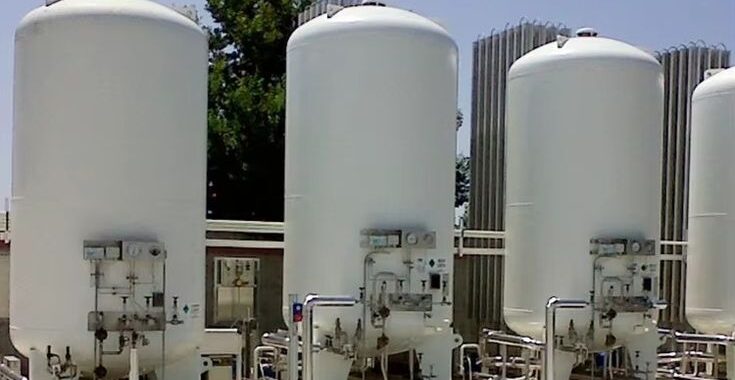
- Cryogenic storage tanks that maintain LNG at extremely low temperatures (-162°C)
- Regasification units that convert LNG back into gaseous form
- Pipeline connections linking to national and European gas grids
The Dutch system is highly integrated with Northwest Europe, enabling efficient cross-border gas flows.
Strategic Importance for Buyers
The Netherlands functions as a gas hub due to:
- Access to the Title Transfer Facility (TTF), Europe’s leading gas trading benchmark
- Strong interconnection with Germany and Belgium
- Advanced port infrastructure capable of handling large LNG vessels
For buyers, this means stored LNG can be redirected based on price signals and demand conditions.
LNG Storage Netherland Capacity and Access
Capacity Constraints and Market Dynamics
Storage capacity is finite and often fully booked during peak demand periods, especially in winter. Buyers must understand that:
- Storage slots are frequently allocated through long-term contracts
- Spot access is limited and can be expensive
- Demand spikes can reduce availability quickly
According to data trends from the U.S. Energy Information Administration (https://www.eia.gov) and the International Energy Agency (https://www.iea.org), Europe has increased LNG imports significantly in recent years, putting pressure on storage infrastructure.
Access Models
There are two main access routes:
- Primary capacity booking directly with terminal operators
- Secondary market access, where capacity is traded between users
Securing primary capacity is generally more reliable, but requires long-term commitment.
Regulatory Framework for LNG Storage Netherlands
EU Energy Market Rules
LNG storage in the Netherlands operates under European Union energy regulations, which emphasize:
- Market transparency
- Non-discriminatory access
- Environmental compliance
A key concept is Third-Party Access (TPA), which obliges infrastructure operators to allow multiple users to access storage facilities under defined conditions.
Buyer Compliance Requirements
Buyers must ensure:
- Proper import licensing
- Adherence to emissions and environmental standards
- Full KYC (Know Your Customer) and AML (Anti-Money Laundering) compliance
Failure to meet regulatory requirements can delay cargo handling or lead to penalties.
LNG Storage Netherlands Pricing Structures
Cost Components
LNG storage costs are typically divided into:
- Capacity fees: Payment for reserving storage space
- Throughput fees: Charges for loading and unloading LNG
- Regasification fees: Costs for converting LNG into natural gas
Contract Types
- Long-term agreements: Lower cost, guaranteed access
- Spot bookings: Flexible but often more expensive
Buyers sourcing LNG from the United States often prefer long-term storage agreements to match supply contracts linked to Henry Hub pricing.
Market pricing insights can be tracked via https://oilprice.com and https://www.reuters.com/business/energy/.
Logistics and Delivery Realities
LNG Supply Chain Flow
- Liquefaction at export terminal (e.g., U.S. Gulf Coast)
- Transport via LNG carrier
- Arrival at Dutch terminal
- Storage in cryogenic tanks
- Regasification and pipeline distribution
Operational Challenges
- Port congestion during peak periods
- Limited berthing windows for vessels
- Scheduling conflicts between cargoes
These issues can result in demurrage costs, which are penalties for delayed unloading.
Risks and Common Buyer Mistakes
Misalignment Between Supply and Storage
One of the most common errors is purchasing LNG cargo without secured storage. This can force buyers to sell quickly at discounted prices.
Overreliance on Spot Capacity
Spot storage may not be available during high-demand periods, creating supply bottlenecks.
Incomplete Contract Review
Storage agreements often include:
- Minimum usage clauses
- Penalties for unused capacity
- Restrictions on transfer or resale
Regulatory Oversight Risks
Delays in documentation or compliance checks can disrupt delivery schedules.
Opportunities in LNG Storage Netherlands
Market Advantages
The Netherlands offers several strategic benefits:
- Access to Europe’s most liquid gas trading hub
- Ability to arbitrage between regional markets
- High infrastructure reliability
Integration with U.S. LNG Supply
Direct sourcing from U.S. exporters provides:
- Transparent pricing benchmarks
- Reduced dependence on pipeline gas
- Greater supply diversification
When combined with Dutch storage, this creates a flexible and scalable supply chain.
Market Outlook and Future Trends
Increasing Role of LNG in Europe
Europe’s energy transition and geopolitical shifts have accelerated LNG adoption. This trend is expected to continue due to:
- Energy security concerns
- Reduced reliance on pipeline imports
- Growth in global LNG supply
Infrastructure Expansion
New LNG terminals and storage facilities are being developed across Europe, including expansions in the Netherlands.
Price Volatility Factors
LNG prices are influenced by:
- Seasonal demand fluctuations
- Competition from Asian markets
- Supply disruptions
Organizations such as https://www.opec.org and the International Energy Agency regularly highlight LNG’s growing importance in global energy markets.
Supply Reliability and Risk Mitigation
Best Practices for Buyers
- Secure long-term storage agreements early
- Diversify supply sources
- Align shipping schedules with storage availability
- Conduct due diligence on terminal operators
Risk Management Tools
- Hedging through futures contracts
- Flexible delivery terms
- Strategic partnerships with infrastructure providers
Reliable storage access reduces exposure to market volatility and operational disruptions.
Practical Buyer Guidance
To effectively utilize LNG storage in the Netherlands:
- Plan ahead: Reserve storage capacity before purchasing LNG
- Understand pricing structures: Review all cost components carefully
- Monitor market trends: Track supply-demand dynamics
- Ensure compliance: Meet all regulatory requirements
- Coordinate logistics: Align shipping and terminal schedules
For companies seeking infrastructure partnerships or storage solutions, the following resources provide additional context:
- https://gastanks.nl/
- https://gastanks.nl/services/
- https://gastanks.nl/about/
- https://gastanks.nl/contact/
Conclusion
LNG storage in the Netherlands is a critical component of Europe’s energy supply chain. It enables flexibility, supports market liquidity, and enhances energy security.
However, accessing and utilizing this infrastructure effectively requires careful planning, regulatory compliance, and alignment with supply contracts—especially when sourcing from U.S. exporters.
Buyers who secure storage capacity, understand pricing structures, and manage logistics proactively can reduce risks and capitalize on opportunities in a dynamic global LNG market.