
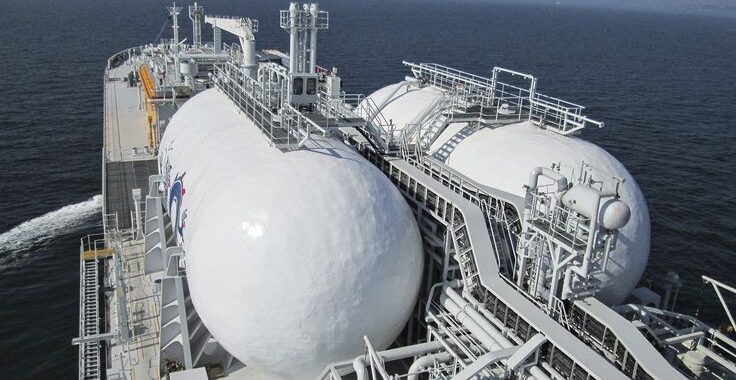
Tank Storage Netherland: For fuel traders, procurement managers, and energy infrastructure planners, understanding tank storage Netherlands is essential for securing reliable supply chains in Europe. The Netherlands plays a central role in global energy logistics, offering advanced storage infrastructure, strategic port access, and integration with international trade routes.
This article is designed for buyers who need to store crude oil, refined fuels, or petrochemicals before distribution—particularly those sourcing from U.S. refineries or global suppliers. It explains how tank storage works, why it matters, and how to navigate operational, regulatory, and financial considerations effectively.
Tank Storage Netherlands in the Global Energy Market
Strategic Geographic Position
The Netherlands, particularly the Rotterdam region, is one of the world’s most important energy hubs. Its location provides:
- Direct access to the North Sea and global shipping lanes
- Connectivity to European inland markets via pipelines, rail, and barges
- Proximity to major refining and industrial centers
This strategic position makes the country a preferred entry point for crude oil and refined products entering Europe.
Role in European Supply Chains
Tank storage facilities in the Netherlands serve multiple functions:
- Buffer storage for imported fuel
- Blending and quality adjustment
- Redistribution to regional markets such as Germany, Belgium, and Poland
For buyers supplying Poland, storage in the Netherlands provides flexibility in managing delivery schedules and mitigating transport delays.
Types of Tank Storage Infrastructure
Crude Oil Storage
Crude oil tanks are designed for large-volume storage and are typically located near ports. These facilities:
- Store oil before refining or re-export
- Maintain temperature and stability
- Enable blending of different crude grades
Refined Product Storage
Refined fuels such as diesel, gasoline, and jet fuel are stored in specialized tanks that meet strict safety and environmental standards. These tanks support:
- Distribution to end markets
- Inventory management for traders
- Seasonal demand balancing
Independent vs Integrated Terminals
- Independent terminals: Operate as third-party storage providers
- Integrated terminals: Connected to refineries or petrochemical plants
Independent terminals offer flexibility for buyers sourcing from multiple suppliers, including U.S. refineries.
Logistics Advantages for Buyers
Flexibility in Supply Chain Management
Tank storage allows buyers to:
- Decouple shipping schedules from delivery timelines
- Build inventory buffers
- Optimize distribution to multiple destinations
For example, fuel imported from the U.S. can be stored in the Netherlands and later transported to Poland when market conditions are favorable.
Multimodal Transport Connectivity
The Netherlands supports multiple transport modes:
- Maritime shipping for imports
- Pipelines for large-volume transfers
- Barges and rail for inland distribution
This multimodal infrastructure reduces reliance on a single transport route and improves supply reliability.
Regulatory and Compliance Considerations
EU Environmental and Safety Standards
Tank storage operations in the Netherlands are governed by strict EU regulations, including:
- Environmental protection laws
- Safety standards for hazardous materials
- Emissions and sustainability requirements
Compliance ensures safe storage and minimizes environmental impact.
Customs and Documentation
Fuel stored in Dutch terminals may be subject to:
- Customs controls under EU regulations
- Excise duties depending on final destination
- Documentation requirements for re-export
Accurate documentation is essential to avoid delays or penalties. Buyers can align processes using guidance from gastanks.nl and its services.
U.S. Export Considerations
For buyers importing from U.S. refineries:
- Export compliance and documentation must be verified
- Sanctions and trade restrictions must be considered
Reliable suppliers simplify these processes and reduce administrative risk.
Pricing and Contract Structures
Storage Pricing Models
Tank storage costs are typically structured as:
- Fixed lease agreements: Monthly or annual fees for reserved capacity
- Throughput fees: Charges based on volume handled
- Blending and handling fees: Additional costs for processing services
Understanding these pricing structures helps buyers optimize storage costs.
Contractual Considerations
Key contract elements include:
- Storage duration and capacity
- Access rights and operational flexibility
- Liability for losses or contamination
- Termination and renewal clauses
Clear contracts reduce disputes and improve operational efficiency.
Risks and Common Challenges
Capacity Constraints
High demand for storage can lead to:
- Limited availability during peak periods
- Increased costs
- Reduced flexibility for short-term storage
Operational Risks
Tank storage operations carry risks such as:
- Product contamination
- Equipment failure
- Safety incidents
Selecting reputable terminal operators mitigates these risks.
Market Volatility
Fluctuations in oil prices can impact storage decisions. For example:
- In contango markets (where future prices are higher), storage becomes profitable
- In backwardation (where current prices are higher), storage demand may decrease
Monitoring market trends via OilPrice and Reuters Energy helps buyers make informed decisions.
Opportunities for Strategic Buyers
Inventory Optimization
Tank storage enables buyers to:
- Purchase fuel when prices are low
- Store inventory for future use
- Sell or distribute when prices rise
This strategy improves profitability and reduces exposure to market volatility.
Supply Chain Resilience
Using Dutch storage facilities allows buyers to:
- Maintain buffer stocks
- Avoid disruptions caused by transport delays
- Ensure continuous supply to end markets
For Poland-bound fuel, storage in the Netherlands provides a critical safety net.
Access to Global Markets
The Netherlands serves as a gateway to global energy markets. Buyers can source from multiple regions and store products centrally before redistribution.
Market Outlook and Future Trends
Energy Transition and Infrastructure Evolution
The Netherlands is investing in:
- Renewable energy infrastructure
- Hydrogen and alternative fuel storage
- Digitalization of logistics systems
These developments will reshape storage demand and create new opportunities for buyers.
Increasing Demand for Flexibility
As energy markets become more volatile, demand for flexible storage solutions is expected to grow. Buyers will increasingly prioritize:
- Short-term storage contracts
- Multi-product storage capabilities
- Integrated logistics services
Global Supply Dynamics
Changes in global oil production and trade flows continue to influence storage demand. Insights from the International Energy Agency and OPEC highlight shifting supply patterns that impact European storage hubs.
Best Practices for Buyers
- Diversify storage locations: Avoid reliance on a single terminal
- Align contracts with logistics strategy: Ensure flexibility in storage duration and capacity
- Verify compliance: Confirm adherence to EU and international regulations
- Monitor market conditions: Adjust storage strategies based on pricing trends
- Work with trusted partners: Reliable providers improve operational efficiency
For additional support, buyers can consult Gastanks Netherlands, review the about page.
Conclusion
Tank storage in the Netherlands is a critical component of Europe’s energy infrastructure, offering strategic advantages for buyers importing and distributing fuel. Its geographic position, advanced logistics network, and regulatory framework make it an ideal hub for managing supply chains.
Key takeaways include:
- Tank storage provides flexibility, reliability, and cost optimization
- Regulatory compliance and documentation are essential for smooth operations
- Pricing and contract structures must be carefully managed
- Strategic use of storage enhances supply chain resilience and market responsiveness
By understanding and leveraging tank storage Netherlands effectively, buyers can improve supply reliability, manage risks, and navigate the complexities of global energy markets with confidence.