


- April 18, 2026
- by admingas
- Tank Farm Leasing
The fuel terminals Netherlands system plays a central role in European energy distribution, connecting global oil and fuel supply chains to one of the most industrialized regions in the world. This article is designed for energy buyers, traders, logistics managers, and institutional procurement professionals who need a clear understanding of how fuel storage and distribution infrastructure operates in the Netherlands.
It solves a practical problem: how fuel moves from international refineries and shipping routes into secure storage and then into European markets with minimal disruption. For buyers sourcing from U.S. refineries, understanding Dutch terminal systems is essential because most transatlantic fuel shipments are physically received, stored, and redistributed through this network before final delivery.
The Netherlands is not only a destination market but a strategic redistribution hub that determines pricing efficiency, supply reliability, and contract performance across Europe.
Fuel terminals Netherlands: role in European energy network
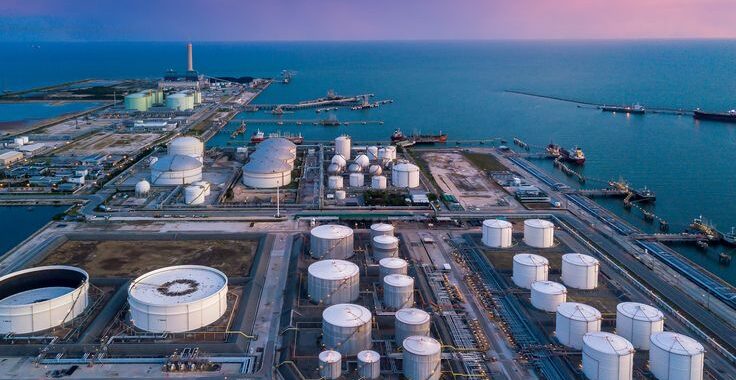
The fuel terminals Netherlands infrastructure is concentrated around major ports—especially Rotterdam, which is one of the largest energy hubs in the world. These terminals act as intermediate storage and processing points between global supply sources and European demand centers.
Strategic positioning in global trade
The Netherlands benefits from:
- Deep-water ports capable of handling large crude and product tankers
- Direct pipeline connections into Germany, Belgium, and inland Europe
- High-capacity storage terminals for crude oil, diesel, gasoline, and jet fuel
- Strong customs and regulatory frameworks aligned with EU energy policy
This makes the country a redistribution center rather than just a consumption market. Fuel entering the Netherlands is often blended, stored, or re-exported depending on market demand.
For buyers, this structure provides flexibility but also introduces complexity in logistics planning, storage allocation, and delivery timing.
Infrastructure and operations of fuel distribution terminals Netherlands
The operational backbone of fuel distribution terminals Netherlands consists of interconnected systems designed for storage, blending, inspection, and dispatch.
Storage tanks and terminal design
Fuel terminals typically include:
- Fixed-roof and floating-roof storage tanks
- Segregated storage for different fuel grades
- Vapor recovery systems for environmental compliance
- Automated metering and monitoring systems
Each tank is assigned to specific product types, ensuring quality separation and preventing contamination.
Handling and transfer systems
Fuel is moved through:
- Marine offloading arms for ship discharge
- Pumping systems connected to pipelines
- Barge loading terminals for inland transport
- Truck loading racks for regional distribution
These systems are designed for continuous high-volume operations, often running 24/7 in major hubs.
Storage governance and commercial access
Access to storage capacity is typically controlled by terminal operators. Buyers or traders may lease capacity under short-term or long-term agreements.
For infrastructure context and industry-related services, some European operators reference broader energy storage systems such as those outlined at https://gastanks.nl/ and company background information at https://gastanks.nl/about/. These types of facilities illustrate how storage networks are integrated across fuel and gas logistics ecosystems. Direct operational coordination is usually handled through contact channels such as https://gastanks.nl/contact/.
Pricing, contracts, and commercial structure
Pricing within the fuel distribution terminal Netherlands system is not only based on commodity cost but also on logistics and storage economics.
Key cost components
Buyers typically encounter:
- Commodity price (linked to global benchmarks like Brent crude)
- Freight and shipping costs
- Terminal handling fees
- Storage charges (daily or monthly basis)
- Inland transport costs
These elements combine into the total landed cost, which is the most relevant figure for procurement decisions.
Contract types used in terminal operations
Common contractual frameworks include:
- Spot contracts: immediate delivery at market price volatility
- Term agreements: long-term supply stability with indexed pricing
- Storage lease agreements: reserved tank capacity for flexible timing
- Blended supply contracts: customized fuel specifications
Each structure balances price risk against supply certainty.
Market pricing influence
The Netherlands is heavily influenced by global benchmarks and trading activity in Northwest Europe. Market movements are closely tracked by institutions such as:
- U.S. Energy Information Administration — https://www.eia.gov
- International Energy Agency — https://www.iea.org
- OPEC — https://www.opec.org
These organizations help define global supply expectations that directly impact Dutch terminal pricing.
Regulation, compliance, and safety standards in Netherlands fuel terminals
Regulatory compliance is a defining feature of fuel distribution terminal Netherlands operations.
European Union framework
Fuel entering and stored in Dutch terminals must comply with:
- EU fuel quality directives
- Environmental emissions regulations
- Customs and excise tax rules
- Safety and hazardous material handling standards
These regulations ensure product integrity and environmental protection.
Inspection and certification requirements
Fuel cargoes are typically subject to:
- Independent laboratory testing
- Quantity verification (custody transfer measurement)
- Documentation audits
- Customs clearance procedures
Non-compliance can result in cargo rejection, delays, or financial penalties.
Safety systems and risk controls
Terminals implement:
- Fire suppression systems
- Emergency shutdown protocols
- Continuous gas and vapor monitoring
- Strict access control systems
These safeguards are essential given the high-energy nature of fuel storage.
Market outlook and strategic buyer considerations in fuel terminals Netherlands
The future of fuel terminals Netherlands is shaped by global energy transition trends, trade flows, and infrastructure modernization.
Increasing role of global imports
Europe continues to rely on imported fuel due to:
- Declining domestic refining capacity
- Increasing demand for refined petroleum products
- Shifts in global supply chains
The Netherlands remains a primary entry point for these imports.
Impact of energy transition
While renewable energy is expanding, fuel terminals are adapting rather than disappearing. Key developments include:
- Integration of biofuels into storage systems
- Repurposing tanks for chemical and hydrogen-related products
- Enhanced emissions monitoring technologies
This transition is gradual and infrastructure-heavy.
Supply chain resilience and risk management
Buyers must consider:
- Geopolitical disruptions affecting shipping routes
- Port congestion risks
- Storage capacity limitations during peak demand
- Counterparty reliability in trading contracts
A diversified sourcing strategy remains essential for reducing exposure.
Logistics realities and operational flow
Fuel logistics in the Netherlands follows a structured sequence:
- Maritime arrival at port terminals
- Quality inspection and documentation review
- Storage allocation in designated tanks
- Blending or reprocessing if required
- Redistribution via pipeline, barge, rail, or truck
Each stage introduces potential delays or cost variations.
Understanding this flow is essential for avoiding demurrage charges and storage inefficiencies.
Buyer risks and common mistakes
Despite advanced infrastructure, several risks persist:
Underestimating total logistics cost
Many buyers focus on commodity pricing but overlook:
- Terminal storage fees
- Inland transport costs
- Delay penalties (demurrage)
Weak due diligence
Common issues include:
- Unverified intermediaries
- Incomplete documentation chains
- Misrepresented storage availability
Poor contract structuring
Ambiguities in delivery terms or ownership transfer can create disputes and financial losses.
Strategic analysis: why the Netherlands remains critical
The Netherlands functions as a balancing hub between global supply and European demand. Its advantages include:
- High infrastructure density
- Strong regulatory environment
- Efficient multimodal transport systems
- Deep integration into global trading networks
For buyers sourcing from U.S. refineries, Dutch terminals often represent the final and most critical stage before product reaches end markets in Europe.
This makes operational understanding of terminals not optional, but essential for effective procurement strategy.
Conclusion
The fuel distribution terminal Netherlands system is one of the most advanced and strategically important fuel logistics networks in the world. It combines large-scale storage infrastructure, complex regulatory oversight, and highly efficient transport systems to support Europe’s energy needs.
For buyers, success depends on understanding how pricing, contracts, storage, and logistics interact within this system. Those who manage these elements effectively can reduce risk, optimize cost, and ensure reliable supply in a highly competitive global market.
As energy markets continue to evolve, the Netherlands will remain a critical hub where global fuel flows are organized, regulated, and redistributed across Europe.