



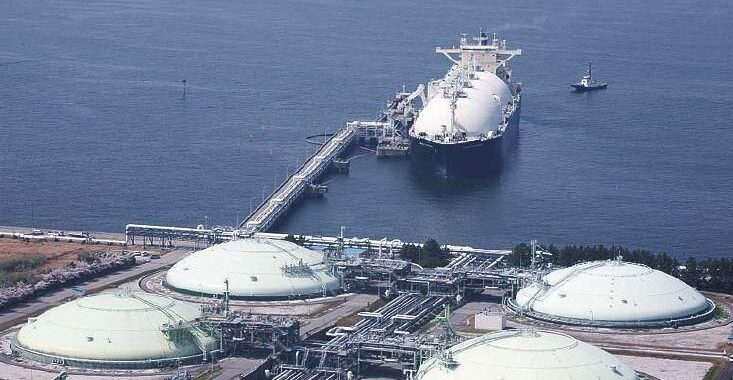
The marine fuel storage Netherlands system plays a central role in global shipping and energy logistics, enabling the storage, handling, and distribution of bunker fuels such as marine gas oil (MGO) and very low sulfur fuel oil (VLSFO). As one of Europe’s key maritime hubs, the Netherlands—particularly Rotterdam—supports a large share of global vessel refueling operations.
This article is written for fuel buyers, shipping operators, and procurement professionals who need a structured understanding of how marine fuel storage works in the Netherlands. The main challenge is ensuring consistent fuel availability while managing pricing volatility, regulatory compliance, and logistical coordination.
Buying directly from a U.S. refinery can offer cost advantages and supply assurance, but it requires efficient storage and handling at destination ports. Understanding marine fuel storage systems is therefore essential for optimizing procurement and minimizing operational risks.
Marine Fuel Storage Netherlands: Market Structure
The marine fuel storage Netherlands ecosystem is built around large-scale port infrastructure, specialized storage terminals, and integrated distribution systems.
Core Infrastructure Components
1. Port-Based Storage Terminals
Marine fuel is stored in large tank farms located within or near seaports. These terminals are designed for high-volume throughput and rapid vessel servicing.
2. Bunker Fuel Storage Tanks
Dedicated tanks store different grades of marine fuel, including low-sulfur products required under modern environmental regulations.
3. Blending Facilities
Blending units allow operators to adjust fuel specifications to meet international maritime standards.
4. Bunkering Infrastructure
Fuel is delivered to vessels via bunker barges, pipelines, or truck loading systems.
Key Market Participants
- Independent storage terminal operators
- Oil majors with bunkering operations
- Marine fuel suppliers and traders
- Logistics service providers
Each participant plays a role in ensuring the availability and quality of marine fuels.
Role of Marine Fuel Storage in Global Shipping
Marine fuel storage is essential for maintaining the continuity of global shipping operations.
Typical Supply Chain Flow
- Loading at U.S. refinery or export terminal
- Marine transport to European ports
- Discharge at Dutch storage terminals
- Quality testing and compliance verification
- Storage and blending operations
- Bunkering (fuel delivery to vessels)
Strategic Importance
- Supports continuous vessel operations
- Enables flexible fuel supply management
- Provides a buffer against supply disruptions
Without efficient storage systems, shipping operations would face significant delays and cost increases.
Marine Fuel Storage Netherlands: Regulatory Framework
The marine fuel storage Netherlands sector operates under strict regulatory oversight due to environmental and safety considerations.
Key Compliance Areas
1. IMO 2020 Sulfur Regulations
Marine fuels must meet sulfur content limits to reduce emissions.
2. EU Environmental Standards
Strict rules govern emissions, storage conditions, and spill prevention.
3. Safety Regulations
Handling and storage of flammable fuels require rigorous safety procedures.
4. Customs and Import Compliance
Imported fuels must pass EU customs checks before distribution.
5. U.S. Export Regulations
Fuel sourced from U.S. refineries must comply with export requirements.
Authoritative sources include:
U.S. Energy Information Administration — https://www.eia.gov
International Energy Agency — https://www.iea.org
Non-compliance can result in penalties, delays, or rejection of fuel cargoes.
Pricing Structures and Cost Drivers
Marine fuel storage costs are influenced by several operational and market factors.
Common Pricing Models
Storage Fees
- Charged based on volume and storage duration
Throughput Fees
- Applied when fuel enters or exits the terminal
Bunkering Fees
- Costs associated with delivering fuel to vessels
Key Cost Drivers
- Global oil price fluctuations
- Storage capacity availability
- Seasonal shipping demand
- Regulatory compliance costs
- Fuel specification requirements
Market insights from:
Reuters Energy — https://www.reuters.com/business/energy/
OilPrice — https://oilprice.com
help buyers anticipate pricing trends and plan procurement strategies.
Contract Structures and Commercial Considerations
Contracts with storage and bunkering providers define operational responsibilities and risk allocation.
Key Contract Elements
- Storage capacity agreements
- Throughput and delivery commitments
- Fuel quality specifications
- Service level agreements (SLAs)
- Insurance and liability provisions
Strategic Considerations
- Secure storage capacity in high-demand ports
- Ensure flexibility for changing fuel volumes
- Include clear quality testing and compliance terms
Working with structured logistics providers—such as those outlined on https://gastanks.nl/services/—can help ensure operational reliability.
Risks and Common Mistakes
Marine fuel storage involves several operational and commercial risks.
Operational Risks
- Storage capacity shortages
- Delays in vessel discharge or bunkering
- Equipment failures or maintenance issues
Commercial Risks
- Price volatility affecting storage decisions
- Hidden fees in storage and bunkering contracts
- Counterparty reliability issues
Common Buyer Mistakes
- Failing to secure storage in advance
- Ignoring fuel specification compatibility
- Underestimating regulatory requirements
- Relying on a single supply or storage source
A structured due diligence approach—similar to frameworks described on https://gastanks.nl/about/ —can significantly reduce these risks.
Supply Reliability and Risk Mitigation
Marine fuel storage systems are essential for ensuring supply continuity.
Best Practices
- Diversify storage across multiple terminals
- Maintain buffer inventory levels
- Use flexible logistics arrangements
- Monitor inventory and demand in real time
Risk Mitigation Tools
- Long-term storage contracts
- Cargo and storage insurance
- Hedging strategies for price volatility
- Contingency planning for disruptions
These measures help ensure uninterrupted fuel availability for maritime operations.
Opportunities for Buyers
The Netherlands offers several advantages for marine fuel storage:
1. Strategic Maritime Location
A major hub for global shipping routes.
2. Advanced Storage Infrastructure
High-capacity terminals designed for efficient bunkering operations.
3. Competitive Market Environment
Multiple suppliers and operators enhance pricing flexibility.
4. Integrated Logistics Networks
Seamless connections between storage, transport, and bunkering systems.
Companies operating within this ecosystem—such as https://gastanks.nl/—benefit from these structural advantages.
Marine Fuel Storage Netherlands: Market Outlook
The marine fuel storage Netherlands sector is evolving in response to changing energy and environmental trends.
Key Trends
Energy Transition in Shipping
- Increased adoption of alternative fuels (LNG, biofuels)
- Continued reliance on traditional marine fuels in the near term
Digitalization
- Real-time tracking of fuel inventories
- Automated compliance and reporting systems
Infrastructure Investment
- Expansion of storage capacity
- Upgrades to blending and bunkering systems
Geopolitical Factors
- Supply chain disruptions impacting fuel availability
- Energy security concerns in Europe
Organizations such as OPEC — https://www.opec.org
continue to influence global fuel supply dynamics and pricing.
Practical Buyer Guidance
To effectively manage marine fuel storage and supply, buyers should follow a structured approach:
Step-by-Step Strategy
- Define fuel specifications and volume requirements
- Secure storage capacity at strategic ports
- Conduct regulatory and compliance checks
- Negotiate clear and structured contracts
- Monitor supply chain performance continuously
- Develop contingency plans for disruptions
This approach enhances operational efficiency and reduces exposure to risk.
Conclusion
Marine fuel storage in the Netherlands is a critical component of global shipping and energy logistics, enabling efficient storage, handling, and distribution of bunker fuels. Its advanced infrastructure and strategic location make it a key hub for connecting U.S. refinery output with European maritime demand.
While the system provides significant advantages in scale and flexibility, it also introduces complexity in terms of pricing, compliance, and operational management. By understanding how marine fuel storage works and applying structured procurement strategies, buyers can secure reliable supply and navigate the challenges of an evolving global energy market.










Comments (2)
Riva Collins
It’s no secret that the digital industry is booming. From exciting startups to need ghor fore global and brands, companies are reaching out.
Obila Doe
The intruders chased the girl in the house and threatened her when she hid from them, according to the PSNI to Limavady Facebook page.