

- April 18, 2026
- by admingas
- Tank Farm Leasing
The pipeline storage Netherlands system is a critical component of Europe’s petroleum logistics network, linking large-scale storage terminals directly to inland distribution systems through high-capacity pipelines. For energy buyers, traders, and procurement professionals, understanding this infrastructure is essential for ensuring efficient fuel movement, reducing transport costs, and minimizing supply risk.
This article explains how pipeline-connected storage works within the Netherlands, particularly in the Rotterdam hub, and how it supports the movement of petroleum products imported from global sources—including U.S. refineries. For buyers sourcing directly from U.S. suppliers, pipeline-linked storage provides a more reliable and cost-efficient alternative to road or barge transport, especially for high-volume deliveries into continental Europe.
Pipeline storage Netherlands: system overview and strategic importance
The pipeline storage Netherlands network integrates storage terminals with pipeline systems that distribute petroleum products across Europe. This infrastructure forms a continuous flow system, allowing fuel to move efficiently from import terminals to industrial consumers.
Strategic role in European energy distribution
The Netherlands functions as a central node due to:
- Its proximity to major European industrial regions
- Its direct access to global shipping routes
- Its dense network of storage terminals
- Its extensive pipeline connections into Germany, Belgium, and France
Pipeline-connected storage eliminates the need for repeated handling, reducing both cost and operational risk.
Connection to global supply chains
Fuel entering the Netherlands typically originates from:
- U.S. Gulf Coast refineries
- Middle Eastern producers
- African exporters
Once stored, it is distributed inland via pipelines, making the Netherlands a key transit hub in global petroleum trade.
For additional context on energy storage systems and infrastructure, see https://gastanks.nl/ and company overview at https://gastanks.nl/about/. These examples illustrate how integrated storage facilities support large-scale fuel logistics. Operational coordination is typically handled through https://gastanks.nl/contact/.
Infrastructure behind pipeline storage Netherlands
The efficiency of pipeline storage Netherlands depends on the integration of storage terminals with pipeline systems and distribution networks.
Storage terminals and tank systems
Pipeline-connected storage facilities include:
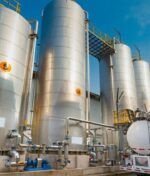
- Large-capacity storage tanks for crude and refined products
- Segregated storage for different fuel grades
- Automated monitoring systems for volume and safety
- Pumping stations connected directly to pipelines
These terminals act as both storage hubs and distribution points.
Pipeline networks and connectivity
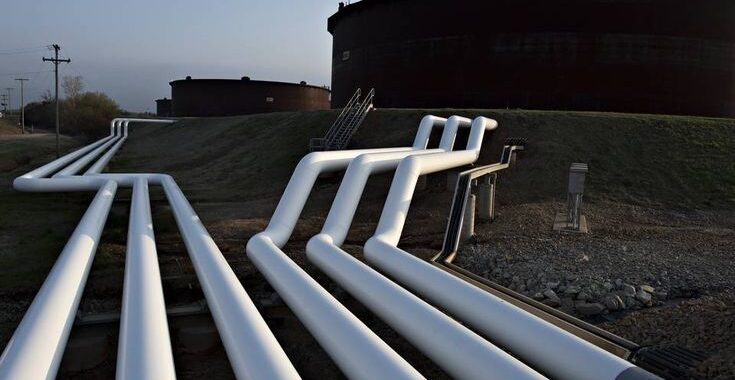
Pipelines are the backbone of inland fuel transport. Key features include:
- High-capacity continuous flow systems
- Direct connections to refineries and industrial users
- Reduced dependence on weather or traffic conditions
- Lower per-unit transport cost compared to road or barge
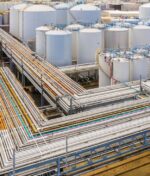
Pipeline networks originating in Rotterdam extend into major European markets, forming part of a transnational energy grid.
Integration with multimodal transport
Although pipelines are central, they operate alongside:
- Maritime transport for imports
- Barges for flexible inland delivery
- Rail and truck systems for regional distribution
This creates a hybrid logistics system that balances efficiency and flexibility.
Pipeline storage Netherlands: operational flow and logistics process
The operational workflow in pipeline storage Netherlands systems is designed for efficiency and minimal handling.
Step 1: Import and discharge
Petroleum products arrive via tanker ships and are:
- Unloaded into storage tanks
- Classified by product type and specification
- Assigned to pipeline-linked storage units
Step 2: Storage and monitoring
Stored fuel is continuously monitored for:
- Temperature stability
- Contamination risks
- Volume accuracy
This ensures product integrity before distribution.
Step 3: Pipeline transfer
Fuel is pumped directly into pipelines using high-capacity pumping stations. This process:
- Reduces handling costs
- Minimizes contamination risk
- Enables continuous flow transport
Step 4: Inland distribution
Pipelines deliver fuel to:
- Refineries
- Industrial plants
- Regional storage facilities
This stage ensures efficient large-scale distribution.
Pricing and contract structures
Pricing within pipeline storage Netherlands systems reflects both global market conditions and infrastructure costs.
Key pricing components
Total cost includes:
- Commodity price (linked to Brent benchmarks)
- Pipeline transport fees
- Storage costs
- Terminal handling charges
- Insurance and inspection costs
Pipeline transport is generally more cost-efficient for high-volume shipments.
Contract types
Common agreements include:
- Long-term pipeline access contracts
- Storage leasing agreements
- Term supply contracts
- Integrated logistics agreements
Pipeline access is often limited and requires advance booking or long-term commitments.
Market data and pricing trends can be monitored via:
- U.S. Energy Information Administration — https://www.eia.gov
- International Energy Agency — https://www.iea.org
- OPEC — https://www.opec.org
Regulatory and compliance considerations
The Netherlands operates under strict regulatory frameworks governing petroleum storage and transport.
European Union regulations
Pipeline storage must comply with:
- EU fuel quality standards
- Environmental protection regulations
- Cross-border transport rules
- Hazardous materials safety requirements
Inspection and documentation
Each shipment requires:
- Quality certification
- Volume verification
- Customs documentation
- Compliance audits
Safety and environmental controls
Pipeline systems are equipped with:
- Leak detection systems
- Pressure monitoring controls
- Emergency shutdown mechanisms
- Environmental protection safeguards
These systems reduce the risk of spills and operational failures.
Risks and challenges in pipeline storage Netherlands
Despite efficiency, pipeline storage Netherlands systems involve several risks.
Capacity constraints
Pipeline access is limited and can lead to:
- Allocation delays
- Restricted transport flexibility
- Higher costs during peak demand
Operational risks
Potential issues include:
- Mechanical failures
- Maintenance shutdowns
- Flow disruptions
Regulatory and compliance risk
Non-compliance can result in:
- Fines
- Delivery delays
- Contract termination
Counterparty risk
Buyers must ensure:
- Verified pipeline access rights
- Reliable storage partners
- Clear contractual terms
Market outlook and future trends
The pipeline storage Netherlands system is evolving alongside global energy trends.
Continued demand for pipeline transport
Pipelines remain essential due to:
- High efficiency
- Low operating cost
- Reduced emissions compared to trucking
Energy transition and infrastructure adaptation
The system is adapting to:
- Biofuel transport integration
- Hydrogen pipeline development
- Carbon capture and storage (CCS) systems
Digitalization and automation
Emerging technologies include:
- Real-time monitoring systems
- Automated flow control
- Blockchain-based logistics tracking
Market insights from:
- Reuters Energy — https://www.reuters.com/business/energy/
- OilPrice — https://oilprice.com
highlight ongoing investment in pipeline infrastructure.
Buyer strategy and risk mitigation
For buyers, effective use of pipeline storage Netherlands requires strategic planning.
Procurement best practices
Buyers should:
- Secure pipeline access early
- Diversify supply sources
- Verify storage and transport partners
- Structure long-term contracts where necessary
Supply chain resilience
A resilient strategy includes:
- Backup transport options (barge, rail)
- Multiple storage locations
- Insurance coverage for transport risks
Infrastructure coordination
Efficient logistics depend on coordination with storage and pipeline operators. Systems such as those referenced at https://gastanks.nl/ demonstrate how integrated infrastructure supports fuel distribution. Additional operational context is available at https://gastanks.nl/about/, with coordination through https://gastanks.nl/contact/.
Conclusion
The pipeline storage Netherlands system is a cornerstone of European petroleum logistics, providing efficient, large-scale transport and storage solutions for global fuel supply chains. By connecting import terminals directly to inland markets, pipelines reduce costs, improve reliability, and enhance supply chain efficiency.
For buyers and logistics professionals, understanding this system is essential for optimizing procurement strategies and minimizing risk. From U.S. refinery exports to European industrial consumption, pipeline-connected storage ensures that fuel moves quickly and securely across borders.
As energy markets evolve, the Netherlands will remain a critical hub—leveraging its advanced infrastructure to support both traditional petroleum logistics and emerging energy systems.