

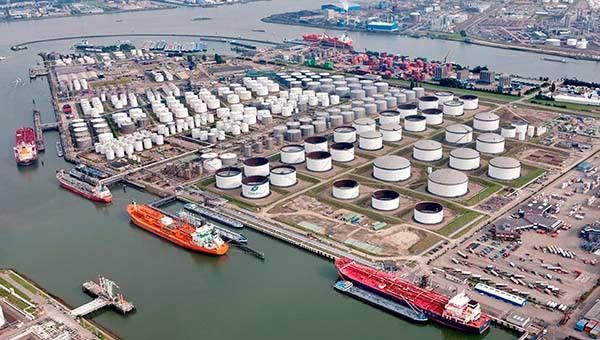
The tank terminal logistics Rotterdam system is one of the most advanced and strategically important petroleum storage and distribution networks in the world. It serves as the primary entry point for crude oil and refined products flowing into Europe from global producers, including U.S. refineries, the Middle East, and Africa.
This article is intended for energy buyers, procurement managers, traders, and logistics analysts who need a clear understanding of how Rotterdam’s tank terminal infrastructure operates. It explains how petroleum is received, stored, blended, and redistributed through one of the busiest energy hubs in Europe.
Understanding this system is essential for anyone involved in international fuel procurement, especially when sourcing directly from U.S. refineries, where shipping routes, storage capacity, and terminal coordination determine final delivery success and cost efficiency.
Overview of Rotterdam tank logistics
The Rotterdam tank logistics network is centered around the Port of Rotterdam, which is the largest seaport in Europe and a global hub for petroleum trade. Its role extends beyond simple storage—it functions as a redistribution engine for the entire European energy market.
Strategic global positioning
Rotterdam connects:
- North American crude and refined fuel exports
- Middle Eastern and African supply chains
- Inland European industrial demand centers
Because of this, the port acts as a balancing mechanism between global supply and European consumption.
Key advantages include:
- Deep-water access for large tankers
- High-frequency shipping routes
- Integrated customs and inspection systems
- Direct pipeline connectivity to Europe’s industrial corridor
The Rotterdam tank logistics system therefore operates as both a physical infrastructure hub and a trading marketplace.
Infrastructure of Rotterdam tank logistics
The strength of Rotterdam tank logistics lies in its dense and highly engineered infrastructure. The system combines marine terminals, storage farms, pipelines, and inland transport networks.
Tank terminals and storage capacity
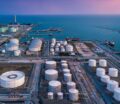
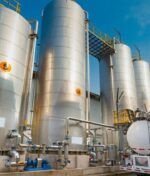
Rotterdam contains some of the largest tank storage clusters in the world. These terminals typically include:
- Fixed-roof tanks for crude oil storage
- Floating-roof tanks for volatile fuels like gasoline
- Segregated storage compartments for product purity
- Automated monitoring systems for safety and inventory control
Storage capacity is a key commercial asset. Buyers often lease tank space to manage price volatility or delay physical delivery.
Marine and offloading systems
Fuel arrives through:
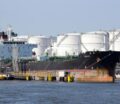
- VLCCs (Very Large Crude Carriers)
- Product tankers carrying refined fuels
- Chemical carriers for blended petroleum products
Once docked, cargo is transferred via:
- Loading arms
- Pumping stations
- Pipeline connections to inland terminals
These systems operate continuously, ensuring high throughput efficiency.
Inland connectivity
After storage, petroleum is distributed via:
- Pipelines to Germany, Belgium, and France
- Barges through European inland waterways
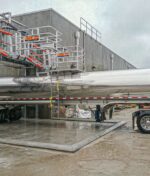
- Rail and truck networks for regional delivery
This multimodal system ensures flexibility in distribution timing and cost control.
For broader infrastructure context and energy storage systems, see https://gastanks.nl/ and company background information at https://gastanks.nl/about/. These illustrate how storage and logistics integration supports large-scale fuel distribution networks. Operational coordination inquiries are typically handled via https://gastanks.nl/contact/.
Storage systems and terminal operations in Rotterdam tank logistics
The operational core of Rotterdam tank logistics is the tank terminal system itself, where petroleum is stored, blended, and prepared for redistribution.
Terminal operations workflow
A typical flow includes:
- Ship arrival and docking
- Quality inspection and documentation review
- Offloading into designated storage tanks
- Optional blending or reprocessing
- Dispatch via pipeline, barge, or truck
Each stage is tightly controlled to prevent contamination and ensure regulatory compliance.
Blending and product customization
Terminals can modify fuel characteristics to meet European specifications. This includes:
- Adjusting sulfur content
- Blending gasoline grades
- Mixing biofuels with conventional fuels
This flexibility is essential for compliance with EU fuel standards.
Storage economics
Storage is priced based on:
- Tank size and type
- Duration of lease
- Product classification
- Market demand for capacity
This creates a secondary market where storage itself becomes a tradable asset.
Pricing and contract structures in Rotterdam tank logistics
Pricing within Rotterdam tank logistics is shaped by both global commodity markets and local infrastructure costs.
Key pricing components
Total cost includes:
- Base commodity price (Brent-linked benchmark)
- Shipping and freight charges
- Terminal handling fees
- Storage and demurrage costs
- Inland transport expenses
Each component fluctuates depending on market conditions.
Contract types used in Rotterdam
Common structures include:
- Spot contracts: immediate delivery at market price
- Term contracts: long-term indexed agreements
- Storage leasing contracts: reserved tank capacity
- Blended supply agreements: customized fuel specifications
These structures allow buyers to manage risk exposure while maintaining supply flexibility.
Market trends and pricing benchmarks are frequently reported by:
- U.S. Energy Information Administration — https://www.eia.gov
- Reuters Energy — https://www.reuters.com/business/energy/
- OilPrice — https://oilprice.com
Regulation and compliance in Rotterdam tank logistics
Regulatory oversight is a defining feature of Rotterdam tank logistics, ensuring safety, environmental protection, and trade transparency.
European regulatory framework
All petroleum entering Rotterdam must comply with:
- EU fuel quality directives
- Environmental emissions standards
- Customs and excise regulations
- Hazardous material handling rules
These regulations ensure uniform fuel quality across Europe.
Inspection and certification
Every shipment undergoes:
- Independent laboratory testing
- Volume verification (custody transfer measurement)
- Customs documentation review
- Safety compliance checks
Non-compliance can lead to shipment delays or rejection.
Safety systems in terminals
Rotterdam terminals use advanced safety systems including:
- Fire suppression networks
- Gas detection systems
- Emergency shutdown protocols
- Controlled access zones
These systems are essential due to the high-energy nature of petroleum storage.
Risks and operational challenges
Despite its efficiency, Rotterdam tank logistics involves several operational risks.
Congestion and delay risks
High traffic volumes can lead to:
- Port congestion
- Delayed unloading schedules
- Increased demurrage costs
Documentation and compliance errors
Mistakes in paperwork can cause:
- Customs delays
- Financial penalties
- Cargo rejection
Counterparty risk
Buyers may encounter:
- Unreliable intermediaries
- Misrepresented storage capacity
- Contract disputes over delivery terms
Strong due diligence is essential before entering agreements.
Market outlook and Rotterdam tank logistics trends
The future of Rotterdam tank logistics is shaped by global energy transitions and evolving trade patterns.
Continued role in global supply chains
Despite energy diversification, Rotterdam remains critical due to:
- Established infrastructure
- Strategic European location
- Deep integration into global shipping routes
Energy transition impact
The terminal system is adapting through:
- Increased biofuel blending
- Hydrogen infrastructure planning
- Carbon emissions tracking systems
Reports from the International Energy Agency highlight these shifts — https://www.iea.org.
Digital transformation
Emerging technologies include:
- Blockchain-based documentation systems
- Real-time cargo tracking
- Automated terminal operations
These improve transparency and reduce operational risk.
Buyer strategy and risk mitigation in Rotterdam tank logistics
For buyers, success depends on managing complexity across supply, storage, and transport.
Key procurement strategies
Effective approaches include:
- Diversifying supply sources (U.S., Middle East, Europe)
- Securing storage capacity early
- Using verified logistics partners
- Structuring flexible contracts
Supply chain resilience
Resilient buyers typically maintain:
- Multiple terminal access points
- Backup transport routes
- Insurance coverage for transit risks
Infrastructure coordination
Efficient logistics often depends on coordination with storage operators and terminal networks. Systems such as those referenced at https://gastanks.nl/ demonstrate how integrated storage infrastructure supports European fuel distribution. Further operational background is available at https://gastanks.nl/about/, with coordination channels at https://gastanks.nl/contact/.
Conclusion
The Rotterdam tank logistics system is one of the most advanced petroleum storage and distribution networks in the world. It integrates large-scale tank terminals, maritime infrastructure, inland transport systems, and strict regulatory oversight into a single highly efficient hub.
For buyers and analysts, understanding this system is essential for managing cost, reducing risk, and ensuring reliable fuel supply. From U.S. refinery exports to European distribution networks, Rotterdam plays a central role in shaping global petroleum flows.
As energy markets evolve, Rotterdam will continue to function as a critical balancing hub—linking global production with European demand while adapting to new regulatory and energy transition pressures.