


The Netherlands petroleum logistics system is one of the most important energy distribution networks in Europe, connecting global crude oil and refined fuel supply chains to industrial and commercial markets. It is a critical hub for buyers, traders, and procurement professionals who rely on efficient transport, storage, and redistribution infrastructure.
This article is designed for decision-makers and analysts who need to understand how petroleum moves through Dutch ports, storage terminals, and inland transport systems. It also explains why sourcing from U.S. refineries is often integrated into this system, and how international fuel shipments are ultimately processed and delivered through the Netherlands.
Understanding this logistics chain helps reduce risk, improve contract performance, and avoid common mistakes in global petroleum procurement.
Netherlands petroleum logistics: system overview and global role
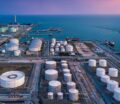
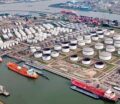
The Netherlands petroleum logistics network is built around the Port of Rotterdam, one of the largest petroleum handling hubs in the world. It acts as a central entry point for crude oil and refined products arriving from the United States, the Middle East, and Africa.
Strategic function in global trade
The Netherlands does not only consume petroleum—it redistributes it across Europe. Key functions include:
- Importing crude oil and refined fuels
- Storing large volumes in industrial tank farms
- Blending fuels to meet European specifications
- Re-exporting products to neighboring countries
This makes the Netherlands a transit and transformation hub, not just a destination market.
For broader context on energy infrastructure systems and storage environments, see https://gastanks.nl/ and company background details at https://gastanks.nl/about/. These types of facilities illustrate how storage infrastructure supports complex fuel distribution networks. Direct operational coordination typically occurs via https://gastanks.nl/contact/.
Infrastructure foundation of Netherlands petroleum logistics
The strength of Netherlands petroleum logistics comes from its highly integrated infrastructure system, combining maritime ports, storage terminals, pipelines, and inland transport.
Port of Rotterdam as the central node
Rotterdam handles millions of barrels of petroleum daily. Its infrastructure includes:
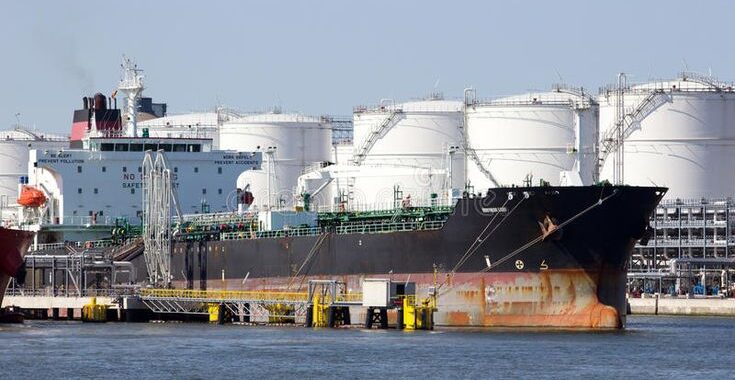
- Deep-water access for large crude carriers (VLCCs)
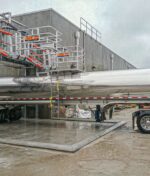
- Specialized oil jetties and unloading arms
- High-capacity storage terminals
- Integrated pipeline connections to Europe
This connectivity allows rapid movement of petroleum across borders.
Storage terminals and tank farms
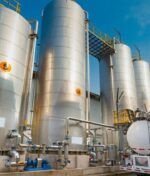
Storage is one of the most critical components of the system. Terminals typically include:
- Fixed and floating roof storage tanks
- Segregated compartments for different fuel grades
- Automated monitoring systems for safety and volume control
- Vapor recovery systems for environmental compliance
Storage capacity determines trading flexibility. Buyers often lease tank space to time the market or stabilize supply.
Netherlands petroleum logistics: transport modes and flow systems
Transport is a multi-layered process that moves petroleum from ships to storage and finally to end users across Europe.
Maritime transport
Most petroleum enters the Netherlands via sea routes. Shipping structures include:
- Crude oil tankers from global producers
- Product tankers carrying refined fuels
- Chemical carriers for blended petroleum products
Contracts typically use Incoterms such as FOB or CIF, which define responsibility for shipping costs and risk transfer.
Inland waterway and barge systems
After discharge, petroleum is transported inland using barges through Europe’s extensive river network. This system connects Rotterdam to:
- Germany
- Belgium
- Switzerland
- Northern France
Barge transport is cost-efficient and widely used for bulk fuel movement.
Pipeline distribution networks
Pipelines provide the most stable and continuous transport method. They reduce:
- Transit delays
- Weather dependency
- Handling risks
However, pipeline access is controlled and often allocated under long-term contracts.
Pricing structure and contract mechanisms
Pricing in Netherlands petroleum logistics is not determined solely by crude oil benchmarks but by a combination of market and operational costs.
Key cost components
Total landed cost includes:
- Commodity price (linked to Brent or WTI benchmarks)
- Freight and shipping charges
- Terminal handling fees
- Storage rental costs
- Inland transport expenses
Each component fluctuates depending on demand, seasonality, and global supply conditions.
Contract types
Common contract structures include:
- Spot contracts: immediate delivery with price volatility
- Term contracts: long-term agreements with index-linked pricing
- Storage leasing contracts: reserved tank capacity
- Blended supply agreements: customized fuel specifications
These structures help buyers balance cost control and supply security.
Market indicators and pricing trends can be tracked through:
- U.S. Energy Information Administration — https://www.eia.gov
- Reuters Energy — https://www.reuters.com/business/energy/
- OilPrice — https://oilprice.com
Regulation and compliance in Netherlands petroleum logistics
The regulatory environment is a defining feature of Netherlands petroleum logistics, ensuring product safety, environmental protection, and trade transparency.
European Union regulatory framework
Petroleum entering the Netherlands must comply with:
- EU fuel quality directives
- Emissions and sulfur content restrictions
- Customs and excise tax regulations
- Environmental safety standards
These rules ensure consistency across European markets.
Inspection and documentation requirements
Every shipment is subject to:
- Independent laboratory testing
- Volume and quality certification
- Customs clearance verification
- Cargo documentation audits
Failure to meet compliance standards can result in delays or rejection of shipments.
Safety systems in terminals
Safety is enforced through:
- Fire suppression systems
- Gas detection networks
- Emergency shutdown procedures
- Strict operational access controls
These systems are essential due to the high-risk nature of petroleum storage.
Risks and operational challenges in Netherlands petroleum logistics
Despite advanced infrastructure, several risks affect efficiency and cost.
Storage and delay risks
One of the most common issues is congestion at storage terminals, which can lead to:
- Demurrage charges (delay penalties)
- Increased storage costs
- Delivery schedule disruptions
Documentation and compliance failures
Errors in paperwork can cause:
- Customs delays
- Cargo rejection
- Financial penalties
Counterparty and contract risk
Buyers may face:
- Non-performing intermediaries
- Misrepresented storage availability
- Contract disputes due to unclear Incoterms
Proper due diligence is essential before entering agreements.
Market structure and global influence
The Netherlands plays a major role in balancing global petroleum flows.
Integration with global supply chains
The country connects:
- U.S. refinery exports
- Middle Eastern crude shipments
- African petroleum exports
This creates a diversified supply environment.
Energy transition impact
While renewable energy is expanding, petroleum logistics remains essential. The system is adapting through:
- Integration of biofuels
- Terminal upgrades for cleaner fuels
- Emissions monitoring technologies
Reports from the International Energy Agency highlight these trends — https://www.iea.org.
Geopolitical sensitivity
Global disruptions affect Dutch logistics, including:
- Shipping route instability
- Sanctions and trade restrictions
- Regional supply shortages
These factors influence pricing and availability.
Netherlands petroleum logistics: buyer strategy and risk mitigation
For buyers, success depends on managing logistics complexity effectively.
Procurement best practices
Key strategies include:
- Diversifying supply sources (U.S., Middle East, Europe)
- Securing storage capacity in advance
- Using verified logistics partners
- Structuring flexible contracts
Supply chain resilience
A resilient strategy includes:
- Multi-terminal storage access
- Backup transport routes
- Insurance coverage for transit risks
Role of infrastructure partners
Infrastructure coordination is often supported by specialized storage and logistics operators. Facilities such as those referenced at https://gastanks.nl/ help illustrate how integrated storage systems contribute to supply stability across Europe. More operational insights are available at https://gastanks.nl/about/, with direct coordination channels at https://gastanks.nl/contact/.
Future outlook of Netherlands petroleum logistics
The future of the system will be shaped by structural changes in global energy markets.
Digital transformation
Logistics operations are increasingly adopting:
- Real-time tracking systems
- Automated terminal operations
- Blockchain-based documentation systems
These improve transparency and reduce fraud risk.
Gradual energy transition
Although petroleum demand remains strong, terminals are adapting to:
- Biofuel blending requirements
- Hydrogen infrastructure development
- Carbon reduction policies
Long-term stability of Rotterdam hub
Despite transitions, Rotterdam is expected to remain a key global hub due to:
- Established infrastructure
- Strategic geographic location
- Deep integration into European supply chains
Conclusion
The Netherlands petroleum logistics system is a highly complex and strategically vital network that connects global oil production to European markets. It integrates maritime transport, advanced storage terminals, inland distribution systems, and strict regulatory frameworks.
For buyers, understanding this system is essential for controlling costs, reducing risk, and ensuring reliable supply. From U.S. refinery exports to European distribution, every stage of the logistics chain depends on efficiency, compliance, and infrastructure coordination.
As global energy markets evolve, the Netherlands will continue to serve as a central node in petroleum trade—balancing traditional fuel flows with emerging energy transition demands.