

- April 18, 2026
- by admingas
- Tank Farm Leasing
The oil logistics Netherlands market is central to European petroleum trade, serving buyers who need reliable access to storage, transport, and distribution networks. This article is written for importers, energy traders, procurement managers, and institutional buyers seeking clarity on how oil moves through the Netherlands—and how to buy efficiently and safely.
Understanding this system helps solve a critical problem: reducing delivery risk while securing competitive pricing in a complex global market. For many buyers, sourcing directly from U.S. refineries offers advantages in transparency, contract structure, and regulatory reliability. However, the final success of such transactions depends heavily on logistics execution within key European hubs—particularly the Netherlands.
The Strategic Role of the Netherlands in Global Oil Trade
Rotterdam as Europe’s Energy Gateway
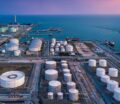
The Netherlands is home to the Port of Rotterdam, the largest oil and petrochemical hub in Europe. It functions as a central entry point for crude oil and refined products arriving from the United States, the Middle East, and Africa.
Key characteristics include:
- Deep-water access for large crude carriers (VLCCs)
- Extensive tank storage capacity
- Integrated pipeline and inland waterway networks
- Direct links to refineries and industrial zones across Europe
This infrastructure makes the Netherlands a redistribution hub, not just a destination market.
Storage and Tank Farms
Storage plays a critical role in oil logistics. Independent terminals and tank farms allow traders and buyers to:
- Hold inventory for strategic timing
- Blend products to meet specifications
- Facilitate re-export to other European markets
For buyers, access to storage determines flexibility in pricing and delivery schedules.
Oil Logistics Netherlands: Core Components
1. Maritime Transport
Oil enters the Netherlands primarily via seaborne transport. Contracts often include Incoterms such as:
- FOB (Free on Board): Buyer arranges shipping
- CIF (Cost, Insurance, Freight): Seller covers transport to destination port
Buyers sourcing from U.S. refineries frequently use CIF contracts to reduce logistical complexity.
2. Terminal Handling and Storage
Upon arrival, oil is discharged into storage terminals. Key considerations include:
- Throughput capacity
- Storage fees (per cubic meter per day)
- Handling and blending capabilities
Buyers should verify terminal availability before finalizing contracts.
3. Inland Distribution
From Rotterdam and other ports, oil is transported via:
- Pipelines (to Germany, Belgium, and beyond)
- Barges (inland waterways)
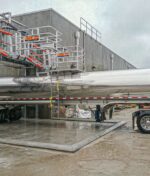
- Rail and truck (for regional delivery)
Each mode affects cost, speed, and risk exposure.
Pricing Structures and Cost Drivers
Understanding pricing in oil logistics Netherlands requires breaking down total landed cost:
Core Cost Elements
- Crude or product price (linked to benchmarks like Brent)
- Freight charges (volatile and market-driven)
- Port and terminal fees
- Storage and demurrage costs
- Insurance and inspection fees
Buyers must evaluate the “all-in” cost rather than focusing solely on commodity price.
Contract Types
Common contract structures include:
- Spot contracts: Immediate delivery, higher price volatility
- Term contracts: Long-term agreements with fixed or indexed pricing
- Liftings under refinery allocations (common with U.S. suppliers)
Each structure offers different levels of price stability and supply security.
Regulatory and Compliance Considerations
European Union Standards
Oil entering the Netherlands must comply with EU regulations, including:
- Environmental standards (e.g., sulfur content limits)
- Customs documentation and import duties
- Product certification and quality verification
U.S. Export Compliance
When sourcing from U.S. refineries, buyers must also consider:
- Export licensing requirements
- Sanctions compliance
- Documentation such as Certificates of Origin and Quality
Reliable suppliers provide full documentation packages to avoid customs delays.
For official data and policy insights, consult:
- U.S. Energy Information Administration — https://www.eia.gov
- International Energy Agency — https://www.iea.org
Opportunities for Buyers
Arbitrage Potential
The Netherlands’ role as a trading hub allows buyers to benefit from:
- Price differences between regions
- Seasonal demand fluctuations
- Storage-based trading strategies
Access to Diverse Supply Sources
Buyers can source from:
- U.S. Gulf Coast refineries
- Middle Eastern exporters
- African producers
This diversification reduces dependency on a single supplier.
Infrastructure Reliability
Compared to many regions, the Netherlands offers:
- High operational efficiency
- Advanced logistics systems
- Strong legal and financial frameworks
These factors reduce transaction uncertainty.
Risks and Common Mistakes
1. Underestimating Logistics Costs
Many buyers focus on product price but overlook:
- Demurrage fees (delays in unloading)
- Storage overruns
- Inland transport costs
These can significantly increase total expenditure.
2. Poor Due Diligence
Fraud and non-performance risks exist in global oil trading. Common issues include:
- Fake shipping documents
- Non-existent tank storage
- Unauthorized intermediaries
Buyers should verify all counterparties and documentation.
3. Misaligned Contract Terms
Inconsistent Incoterms or unclear delivery obligations can lead to disputes. Contracts must clearly define:
- Delivery point
- Risk transfer
- Payment terms
Logistics Realities: What Buyers Should Expect
Lead Times
Typical timelines include:
- U.S. to Rotterdam shipment: 10–20 days
- Port discharge and storage: 2–5 days
- Inland distribution: 1–7 days
Delays can occur due to weather, port congestion, or inspections.
Documentation Flow
Key documents include:
- Bill of Lading
- Certificate of Quality and Quantity
- Cargo Manifest
- Tank Storage Receipt
Incomplete documentation is a major cause of delays.
Supply Reliability and Risk Mitigation
Diversified Supply Strategy
Buyers should avoid reliance on a single source. Combining:
- U.S. refinery supply
- Spot purchases in Europe
- Strategic storage reserves
can improve resilience.
Use of Verified Infrastructure
Working with established logistics providers and storage facilities is critical. Platforms like
https://gastanks.nl/ and their company overview at
https://gastanks.nl/about/
offer insights into storage and gas infrastructure solutions relevant to European buyers.
For direct inquiries or logistics coordination, buyers can use:
https://gastanks.nl/contact/
Insurance and Inspection
Independent inspection agencies verify cargo quality and quantity. Insurance protects against:
- Transit losses
- Contamination
- Operational accidents
Market Outlook and Trends
Increasing U.S. Export Influence
The United States continues to expand its role as a global oil exporter. This affects the Netherlands by:
- Increasing transatlantic trade flows
- Enhancing supply diversity
- Introducing competitive pricing dynamics
Energy Transition Pressures
While oil remains essential, the Netherlands is also investing in:
- Renewable energy infrastructure
- Hydrogen logistics
- Emissions reduction policies
This may gradually reshape oil logistics over time.
Digitalization of Logistics
Emerging technologies include:
- Blockchain for trade documentation
- Real-time cargo tracking
- Automated terminal operations
These innovations aim to reduce fraud and improve efficiency.
For market news and analysis, consult:
- Reuters Energy — https://www.reuters.com/business/energy/
- OilPrice — https://oilprice.com
- OPEC — https://www.opec.org
Practical Buyer Guidance
Before Purchase
- Verify supplier credentials
- Confirm storage availability in the Netherlands
- Review contract terms carefully
During Transaction
- Track shipment progress
- Ensure documentation accuracy
- Maintain communication with logistics providers
After Delivery
- Inspect cargo quality
- Monitor storage costs
- Plan onward distribution efficiently
Conclusion
The oil logistics Netherlands system is one of the most advanced and strategically important in the global energy market. For buyers, it offers unmatched access to infrastructure, supply diversity, and trading opportunities. However, success depends on understanding the full logistics chain—from U.S. refinery sourcing to final delivery within Europe.
By focusing on cost transparency, regulatory compliance, and risk management, buyers can navigate this complex environment effectively. As global energy markets evolve, the Netherlands will remain a critical hub—linking producers and consumers through a highly integrated logistics network.