

For fuel traders, distributors, and industrial buyers operating in Central and Eastern Europe, understanding diesel storage Netherland infrastructure is essential for securing reliable supply into Poland and surrounding markets. This article explains how diesel storage terminals in the Netherlands function, what buyers must consider when sourcing through them, and why procurement strategies often begin with upstream refinery access—particularly from U.S. producers.
The core problem this article addresses is supply reliability. Buyers frequently face disruptions due to logistics bottlenecks, unclear contract terms, or dependence on intermediaries. By understanding storage terminals, pricing structures, and compliance frameworks, buyers can reduce risk and improve cost efficiency. Direct sourcing from U.S. refineries, combined with European storage access, often provides stronger control over quality, pricing transparency, and delivery timelines.
The Role of Diesel Storage Terminals in Europe
Diesel storage terminals are critical nodes in the global oil supply chain. They act as buffer points between production (refineries) and consumption markets.
In the Netherlands, these terminals serve three primary functions:
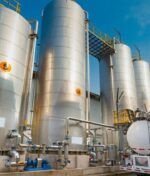
- Bulk storage: Holding refined diesel in large tanks before redistribution
- Blending and specification control: Adjusting fuel to meet European standards (e.g., EN 590)
- Distribution hub: Feeding inland markets such as Poland via barge, rail, or truck
The Netherlands has become a central hub due to its strategic port infrastructure and integration with European inland logistics networks.
Why the Netherlands Is a Key Diesel Storage Hub
Geographic Advantage
The Netherlands sits at the heart of Northwest Europe’s energy corridor. Its ports connect directly to:
- North Sea shipping routes
- Inland waterways leading to Germany and Poland
- Rail and pipeline systems across the EU
This positioning reduces transit time and cost for buyers importing diesel into Poland.
Infrastructure Depth
Dutch terminals are known for:
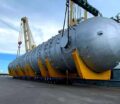
- High-capacity tank farms
- Advanced loading and unloading systems
- Strong connectivity to multimodal transport
These features allow for efficient handling of large cargo volumes, including Very Large Crude Carriers (VLCCs) and product tankers.
Market Liquidity
Because many global traders store products in the Netherlands, buyers benefit from:
- Competitive pricing benchmarks
- Availability of spot and term cargoes
- Flexible contract options
Market liquidity reduces the risk of supply shortages, especially during peak demand periods.
Diesel Storage Netherland: How the System Works
Terminal Operations Explained
A diesel storage terminal typically operates through the following steps:
- Receiving cargo: Diesel arrives via tanker ship or pipeline
- Quality testing: Laboratory analysis ensures compliance with EU standards
- Storage allocation: Product is stored in dedicated or shared tanks
- Inventory management: Volumes are tracked digitally
- Dispatch: Fuel is loaded onto barges, trucks, or railcars for delivery
Each step involves strict documentation and regulatory oversight.
Types of Storage Agreements
Buyers can access storage through different contractual structures:
- Tank leasing: Renting dedicated storage capacity
- Throughput agreements: Paying for handling without owning storage
- Third-party logistics (3PL): Outsourcing storage and distribution
Each option affects cost, flexibility, and operational control.
Pricing Structures and Cost Components
Understanding pricing is essential when working with diesel storage terminals.
Key Cost Elements
- Storage fees: Charged per cubic meter per month
- Throughput fees: Cost of moving product in and out
- Handling charges: Loading, blending, and testing services
- Demurrage risk: Penalties for delays in vessel unloading
These costs must be factored into landed fuel prices in Poland.
Benchmark Pricing
Diesel prices are often linked to international benchmarks such as:
- Platts ULSD (Ultra-Low Sulfur Diesel)
- ICE gasoil futures
Buyers should monitor data from sources like the U.S. Energy Information Administration (https://www.eia.gov) and the International Energy Agency (https://www.iea.org) to understand market trends.
Logistics from Netherland to Poland
Transport Options
Once diesel is stored in the Netherland, it can be transported to Poland via:
- Inland barges: Cost-effective for large volumes
- Rail transport: Faster than barge, suitable for mid-size shipments
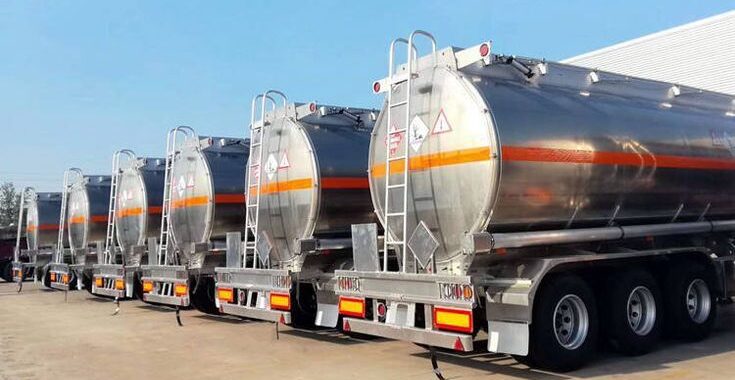
- Truck delivery: Flexible but higher cost per unit
Each mode has trade-offs in speed, cost, and reliability.
Common Bottlenecks
Buyers should be aware of:
- Port congestion during peak seasons
- Limited barge availability in winter
- Rail capacity constraints
- Customs clearance delays
These factors can significantly impact delivery schedules.
Regulatory and Compliance Considerations
EU Fuel Standards
Diesel imported into Poland must comply with EN 590 specifications, which define:
- Sulfur content (max 10 ppm)
- Cetane number
- Density and distillation characteristics
Non-compliant fuel can lead to rejection or costly reprocessing.
Documentation Requirements
Key documents include:
- Bill of Lading (B/L)
- Certificate of Quality (COQ)
- Certificate of Origin
- Safety Data Sheet (SDS)
Accurate documentation is essential for customs clearance and legal compliance.
U.S. Export Considerations
When sourcing from U.S. refineries, buyers must also consider:
- Export licensing requirements
- Sanctions compliance
- Anti-money laundering (AML) checks
These factors are often overlooked but can delay transactions.
Risks and Common Buyer Mistakes
Over-Reliance on Intermediaries
Many buyers depend on multiple brokers, which can lead to:
- Price inflation
- Lack of transparency
- Increased fraud risk
Working closer to the source reduces these risks.
Poor Contract Structuring
Common mistakes include:
- अस्पष्ट delivery terms
- Inadequate quality specifications
- Missing penalty clauses
Clear contracts are essential for protecting buyer interests.
Ignoring Storage Constraints
Failure to secure storage capacity in advance can result in:
- Delayed offloading
- Higher demurrage costs
- Supply interruptions
Storage planning should be integrated into procurement strategy.
Opportunities for Buyers
Strategic Storage Positioning
Using Dutch terminals allows buyers to:
- Build buffer inventory
- Hedge against price volatility
- Improve delivery flexibility
This is particularly valuable in volatile energy markets.
Direct Refinery Sourcing
Combining U.S. refinery supply with European storage offers:
- Better price control
- Higher product quality assurance
- Reduced dependency on intermediaries
For buyers seeking structured procurement solutions, reviewing services such as https://intergaz.pl/services/ can provide insight into integrated supply approaches.
Portfolio Diversification
Sourcing through the Netherlands enables buyers to:
- Access multiple suppliers
- Balance spot and term contracts
- Reduce geopolitical exposure
Diversification is a key risk management strategy.
Market Outlook and Future Trends
Increasing Demand for Storage
As Europe transitions energy sources, diesel demand remains strong in:
- Transportation
- Agriculture
- Industrial sectors
This sustains the importance of storage hubs like the Netherlands.
Infrastructure Expansion
New investments in:
- Tank capacity
- Digital inventory systems
- Automation
are improving efficiency and transparency in terminal operations.
Energy Transition Pressures
While renewable energy is growing, diesel remains critical in the medium term. Buyers must balance:
- Short-term operational needs
- Long-term sustainability goals
Market insights from platforms like https://oilprice.com and https://www.reuters.com/business/energy/ highlight ongoing shifts in supply dynamics.
Supply Reliability and Risk Mitigation
Key Strategies
To ensure reliable diesel supply, buyers should:
- Secure storage capacity in advance
- Use verified suppliers
- Structure contracts with clear delivery terms
- Monitor market benchmarks regularly
Due Diligence
Thorough supplier verification is essential. Buyers can begin by reviewing trusted industry resources such as https://intergaz.pl and understanding supplier backgrounds via https://intergaz.pl/about/.
Integrated Approach
The most resilient supply chains combine:
- Direct refinery sourcing
- Strategic storage access
- Efficient logistics planning
This integrated model reduces exposure to disruptions and improves cost predictability.
Conclusion
Diesel storage terminals in the Netherland play a central role in supplying Poland and broader European markets. For buyers, understanding how these terminals operate—along with pricing structures, logistics pathways, and regulatory requirements—is critical for making informed procurement decisions.
The diesel storage Netherland ecosystem offers both opportunities and risks. Buyers who approach it with structured strategies, strong due diligence, and a focus on direct supply relationships are better positioned to secure reliable, cost-effective fuel flows.
In an increasingly complex energy market, success depends not on finding the cheapest deal, but on building a resilient supply chain grounded in transparency, compliance, and operational control.