


For energy traders, utility companies, and industrial buyers, understanding the gas storage terminal Netherland landscape is essential for ensuring reliable and flexible gas supply into Europe. The Netherlands has become a critical hub for natural gas and liquefied natural gas (LNG) storage, particularly as Europe diversifies away from traditional pipeline dependencies.
This guide is designed for buyers sourcing natural gas—often indirectly linked to U.S. LNG exports—who require storage, regasification, and distribution infrastructure before delivery into markets such as Poland. While sourcing from U.S. producers offers transparency and diversification, these advantages depend on access to efficient European storage terminals.
Gas Storage Terminal Netherland in European Energy Markets
Strategic Role in Gas Supply Security
The Netherlands plays a central role in Europe’s gas system, acting as:
- An entry point for LNG imports
- A storage buffer for seasonal demand fluctuations
- A redistribution hub for Central and Eastern Europe
According to the International Energy Agency, LNG terminals and storage facilities are increasingly important for balancing supply and ensuring energy security across Europe.
Relevance for Poland and Regional Buyers
Gas stored in the Netherlands can be transported into Poland via interconnected European gas networks. Buyers benefit from:
- Access to diversified LNG sources
- Reduced reliance on single suppliers
- Greater flexibility in supply contracts
Infrastructure providers such as Gastanks offer insight into logistics coordination, with service details available on their services page.
How Gas Storage Terminals Operate
LNG Storage and Regasification
Most gas storage terminals in the Netherlands are LNG-based. LNG is natural gas cooled to a liquid state for transport. Key processes include:
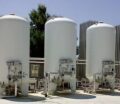
- Storage: LNG is kept in cryogenic tanks at extremely low temperatures
- Regasification: LNG is converted back into gas for pipeline distribution
- Transfer: Gas is injected into the European grid
This system allows gas to be transported globally and delivered locally.
Underground Gas Storage
In addition to LNG terminals, the Netherlands uses underground storage facilities, such as depleted gas fields or salt caverns. These are used for:
- Seasonal storage (summer injection, winter withdrawal)
- Balancing supply and demand fluctuations
Monitoring and Control Systems
Modern terminals use advanced systems to monitor:
- Storage volumes and pressure levels
- Temperature and safety conditions
- Flow rates into and out of the system
These systems ensure safe and efficient operations.
Gas Storage Terminal Netherlands: Logistics Advantages
Supply Flexibility
Gas storage terminals allow buyers to:
- Import LNG when prices are favorable
- Store gas for later use
- Adjust delivery schedules based on demand
This flexibility is critical in volatile energy markets.
Integration with European Gas Networks
The Netherlands is connected to major European pipeline systems, enabling:
- Efficient distribution to Poland and neighboring countries
- Access to multiple markets from a single storage point
Reduced Supply Risk
Storing gas in the Netherlands helps mitigate risks such as:
- Disruptions in pipeline supply
- Shipping delays for LNG cargoes
- Seasonal demand spikes
Regulatory and Compliance Considerations
EU Energy Regulations
Gas storage terminals must comply with European regulations covering:
- Market access and transparency
- Environmental standards
- Safety and operational requirements
These rules ensure fair access and safe operations.
Customs and Trade Compliance
LNG imports and storage involve:
- Customs documentation
- Import/export regulations
- Compliance with sanctions and trade policies
Buyers must ensure accurate documentation to avoid delays.
U.S. LNG Export Framework
For buyers sourcing LNG linked to U.S. exports:
- Export approvals and licensing must be verified
- Contracts must align with international trade laws
Operational insights can be reviewed on the Gastanks about page.
Pricing and Contract Structures
Key Cost Components
Gas storage terminal costs typically include:
- Storage fees: Based on volume and duration
- Regasification fees: Charges for converting LNG to gas
- Throughput charges: Costs for handling and distribution
Understanding these components is essential for accurate cost planning.
Contract Types
Common contract structures include:
- Long-term capacity bookings
- Spot storage and regasification agreements
- Flexible contracts with variable volumes
Key terms to review include access rights, capacity allocation, and liability provisions.
Risks and Common Mistakes
Capacity Constraints
High demand for LNG storage can lead to:
- Limited terminal capacity
- Increased costs
- Difficulty securing short-term storage
Market Volatility
Gas markets are highly volatile due to:
- Weather conditions
- Geopolitical factors
- Supply disruptions
Monitoring market trends via Reuters Energy and OilPrice is essential for managing risk.
Operational Risks
Potential risks include:
- Equipment failure
- Safety incidents
- Delays in regasification or distribution
Selecting experienced terminal operators reduces these risks.
Opportunities for Strategic Buyers
Diversification of Supply
Gas storage terminals enable buyers to access LNG from multiple sources, including:
- The United States
- The Middle East
- Africa
This reduces dependency on any single supplier.
Market Timing and Optimization
Buyers can use storage to:
- Purchase LNG during low-price periods
- Store gas for peak demand seasons
- Optimize pricing strategies
Supply Chain Resilience
Maintaining stored gas improves resilience by:
- Ensuring continuous supply
- Reducing exposure to disruptions
- Allowing rapid response to demand changes
Gas Storage Terminal Netherlands: Market Outlook
Growing Importance of LNG
Europe’s shift toward LNG imports is expected to continue, driven by:
- Energy security concerns
- Diversification strategies
- Declining domestic production
Reports from the International Energy Agency and OPEC highlight increasing LNG demand in Europe.
Energy Transition and Decarbonization
The Netherlands is investing in:
- Hydrogen infrastructure
- Renewable energy integration
- Carbon reduction technologies
These trends may influence future demand for gas storage.
Technological Advancements
Digitalization is improving terminal operations through:
- Real-time monitoring systems
- Automated processes
- Predictive maintenance
These innovations enhance efficiency and reduce operational risks.
Best Practices for Buyers
- Secure capacity early: Book storage before peak demand periods
- Diversify supply sources: Reduce dependency on single suppliers
- Align contracts with demand: Ensure flexibility in volume and timing
- Monitor market conditions: Adjust strategies based on price trends
- Work with trusted operators: Improve reliability and efficiency
Buyers can explore infrastructure options through Gastanks or contact providers via the contact page.
Conclusion
Gas storage terminals in the Netherland are a cornerstone of Europe’s evolving energy system. They provide the infrastructure needed to manage LNG imports, balance supply and demand, and distribute gas efficiently across markets such as Poland.
Key takeaways include:
- The Netherlands is a strategic hub for gas storage and distribution
- Storage enhances flexibility, resilience, and supply security
- Regulatory compliance and documentation are critical
- Pricing and contracts must be carefully structured
- Market awareness improves decision-making and profitability
By leveraging gas storage terminal Netherlands effectively, buyers can strengthen supply reliability, optimize logistics, and navigate the complexities of modern energy markets with confidence.