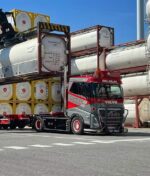



Understanding jet fuel storage Netherlands infrastructure is essential for aviation operators, fuel traders, logistics companies, and industrial buyers who depend on stable, high-quality aviation fuel supply chains in Europe. The Netherlands plays a strategic role in storing, blending, and distributing Jet A-1 fuel across European airports and international aviation hubs.
This article explains how jet fuel storage terminals operate in the Netherlands, why the country is a critical aviation fuel hub, and how buyers should evaluate logistics, pricing structures, and regulatory requirements. It also explores how global sourcing—particularly from large refining regions such as the United States—connects to Dutch storage systems to ensure reliability and supply security.
The core challenge in aviation fuel procurement is consistency. Jet fuel must meet strict specifications, be delivered without interruption, and remain traceable throughout the supply chain. Storage terminals in the Netherlands are where these requirements are operationalized at scale.
The Role of Jet Fuel Storage Terminals in Europe
Jet fuel storage terminals are specialized facilities designed to handle aviation-grade kerosene (Jet A-1). Unlike general petroleum storage, these facilities must meet stricter safety, contamination control, and quality assurance standards.
Their core functions include:
- Bulk storage of Jet A-1 fuel in segregated tanks
- Quality preservation and contamination control
- Blending and specification compliance for aviation standards
- Distribution to airports and aviation hubs across Europe
The Netherlands is a preferred location due to its advanced port infrastructure, regulatory stability, and integration into European fuel logistics networks.
Why the Netherlands Is a Strategic Jet Fuel Hub
Geographic and Aviation Logistics Advantage
The Netherlands is centrally located in Northwest Europe and connects directly to major aviation consumption centers such as:
- Amsterdam Schiphol Airport (one of Europe’s largest aviation hubs)
- German aviation networks
- Belgian and French airport systems
- Central and Eastern European supply routes
Its North Sea access allows large international shipments of jet fuel to be received efficiently and redistributed inland.
High-Spec Infrastructure Requirements
Jet fuel storage requires stricter engineering standards than diesel or gasoline. Dutch terminals typically include:
- Dedicated aviation-grade tanks
- Nitrogen blanketing systems to prevent oxidation
- Water separation and filtration systems
- Continuous quality monitoring laboratories
These systems ensure fuel integrity is maintained from import to final delivery.
Integration With Global Supply Chains
The Netherlands acts as a redistribution hub for jet fuel originating from:
- U.S. Gulf Coast refineries
- Middle Eastern exporters
- European refinery complexes
This diversification improves supply resilience for European aviation markets.
Jet Fuel Storage Netherlands: How the System Works
Terminal Operational Flow
Jet fuel storage terminals operate through a tightly controlled sequence:
- Import delivery: Jet fuel arrives via tanker vessels or pipelines
- Quality testing: Laboratory analysis confirms compliance with Jet A-1 specifications
- Controlled storage: Fuel is stored in dedicated, contamination-free tanks
- Inventory tracking: Real-time digital systems monitor volume and quality
- Distribution: Fuel is transported to airports via pipeline, truck, or barge
Each stage is governed by strict aviation safety and fuel integrity standards.
Storage Agreement Models
Buyers and operators typically access storage through:
- Dedicated tank leasing: Exclusive aviation fuel storage capacity
- Shared terminal access: Proportional allocation of storage infrastructure
- Third-party logistics (3PL): Outsourced handling, storage, and delivery services
Each model affects pricing, control, and operational flexibility.
Pricing Structure and Cost Components
Key Cost Drivers in Jet Fuel Storage
Jet fuel pricing in Dutch terminals includes multiple cost layers:
- Storage fees per cubic meter
- Handling and transfer charges
- Quality testing and certification costs
- Security and safety compliance expenses
- Demurrage penalties for vessel delays
These costs significantly influence final delivered aviation fuel prices.
Market Pricing Benchmarks
Jet fuel prices are typically indexed against:
- Platts Jet Kerosene assessments
- Brent crude oil benchmarks
- Global aviation fuel futures markets
Market intelligence from sources such as the U.S. Energy Information Administration (https://www.eia.gov) and OPEC (https://www.opec.org) provides critical pricing context.
Logistics of Jet Fuel Distribution to Europe
Transport Methods
From Dutch storage terminals, jet fuel is distributed via:
- Pipeline systems: Primary method for airport supply (e.g., Schiphol)
- Barge transport: Used for inland distribution across waterways
- Road tankers: Flexible but lower-volume delivery method
Pipeline systems remain the most reliable and efficient method for aviation fuel supply.
Operational Bottlenecks
Common logistical challenges include:
- Pipeline scheduling congestion at major airports
- Seasonal demand spikes during travel peaks
- Port unloading delays for incoming tankers
- Weather disruptions affecting inland transport
These factors can impact aviation fuel availability and pricing stability.
Regulatory and Compliance Framework
Aviation Fuel Standards
Jet fuel must comply with strict international standards, including:
- Jet A-1 specification (global aviation standard)
- DEF STAN 91-091 (UK aviation fuel specification reference)
- ASTM D1655 (U.S. aviation fuel standard)
These standards ensure safety, combustion efficiency, and engine compatibility.
Quality Assurance Requirements
Key quality parameters include:
- Freezing point control
- Flash point safety thresholds
- Sulfur content limits
- Water contamination prevention
Even minor deviations can result in aircraft operational risks.
Documentation Requirements
Each shipment requires:
- Certificate of Quality (COQ)
- Bill of Lading (B/L)
- Safety Data Sheet (SDS)
- Origin certification and traceability records
Regulatory compliance is strictly enforced across EU aviation supply chains.
Risks and Common Buyer Mistakes
Underestimating Quality Control Requirements
Jet fuel is highly sensitive to contamination. Common errors include:
- Inadequate filtration during transfer
- Poor tank cleaning procedures
- Mixing incompatible fuel batches
These mistakes can result in aircraft engine damage or supply rejection.
Overreliance on Intermediary Networks
Excessive use of brokers can lead to:
- Lack of transparency in pricing
- Quality assurance gaps
- Increased fraud risk in fuel trading
Direct engagement with verified suppliers reduces these risks.
Poor Contract Structuring
Weak contracts often fail to define:
- Delivery timelines
- Quality guarantees
- Penalty clauses for non-performance
Strong contractual frameworks are essential in aviation fuel procurement.
Opportunities for Buyers in Dutch Jet Fuel Storage
Strategic Inventory Management
Storage in the Netherlands allows buyers to:
- Maintain buffer stocks for aviation demand spikes
- Optimize procurement timing based on price cycles
- Improve supply chain flexibility for airport operations
Global Sourcing Integration
Dutch storage terminals enable integration of jet fuel from multiple regions, including:
- U.S. refinery exports
- Middle Eastern supply contracts
- European refining capacity
This diversification improves resilience and pricing efficiency.
Supply Chain Optimization
Advanced buyers combine:
- Long-term refinery contracts
- Strategic Dutch storage access
- Airport distribution agreements
This structure reduces operational risk and improves fuel availability consistency.
Companies such as those referenced at https://gastanks.nl/services/ operate within broader energy logistics frameworks that support structured storage and distribution systems.
Market Outlook and Future Trends
Aviation Demand Recovery and Growth
Global aviation fuel demand continues to recover and grow, driven by:
- Increasing air travel demand
- Expanding cargo logistics networks
- Long-haul flight expansion
This supports sustained importance of jet fuel storage infrastructure.
Infrastructure Modernization
Dutch terminals are investing in:
- Automated fuel monitoring systems
- Enhanced contamination detection technology
- Digital logistics coordination platforms
These improvements increase operational efficiency and safety.
Energy Transition Considerations
While sustainable aviation fuel (SAF) is growing, conventional jet fuel remains dominant. As a result, storage infrastructure will remain essential for decades, even as blending requirements evolve.
Market analysis from Reuters Energy (https://www.reuters.com/business/energy/) and OilPrice (https://oilprice.com) highlights continued volatility in global aviation fuel markets.
Supply Reliability and Risk Management
Key Buyer Strategies
To ensure reliable jet fuel supply, buyers should:
- Secure long-term storage capacity agreements
- Diversify sourcing across multiple refining regions
- Maintain strict quality assurance protocols
- Monitor global benchmark pricing regularly
Importance of Due Diligence
Critical verification steps include:
- Supplier certification validation
- Terminal capacity confirmation
- Contract enforceability checks
- Compliance with aviation fuel standards
Resources such as https://gastanks.nl/about/ and https://gastanks.nl/contact/ can serve as entry points for structured supplier engagement and evaluation.
Integrated Supply Chain Model
The most resilient jet fuel procurement strategies combine:
- Global refinery sourcing (U.S., EU, Middle East)
- Dutch storage infrastructure
- Airport distribution networks
This integrated model ensures both operational reliability and pricing stability.
Conclusion
The Netherlands is one of Europe’s most important hubs for jet fuel storage and distribution. Its terminals ensure that aviation fuel is stored safely, tested rigorously, and delivered efficiently to airports across the continent.
Understanding jet fuel storage Netherlands infrastructure allows buyers to navigate complex pricing structures, logistics constraints, and regulatory requirements with greater confidence. More importantly, it enables the design of resilient supply chains capable of supporting critical aviation operations.
In a global aviation market defined by volatility and strict quality demands, success depends on controlling the entire chain—from refinery sourcing to storage to final delivery—while maintaining uncompromising safety and compliance standards.