

Understanding gasoline storage Netherland infrastructure is essential for fuel traders, distributors, and industrial buyers who rely on Northwest Europe as a strategic energy hub. The Netherlands plays a central role in storing and redistributing gasoline (also called petrol) across Europe, including supply routes into Germany, Belgium, and Central/Eastern European markets such as Poland.
This article explains how gasoline storage terminals operate in the Netherlands, why they are strategically important, and what buyers must understand about logistics, pricing, regulations, and risk management. It also highlights how upstream sourcing—particularly from large refining markets such as the United States—connects to European storage systems to ensure supply stability and cost efficiency.
The key issue for buyers is not just price, but reliability. Storage terminals are where global supply chains become local supply availability. Understanding this link is critical for avoiding delays, hidden costs, and compliance risks.
The Role of Gasoline Storage Terminals in Europe
Gasoline storage terminals act as intermediary hubs between refineries and end markets. They are essential for balancing supply and demand across regions.
In the Netherlands, these terminals perform three core functions:
- Bulk storage: Holding refined gasoline in large tank farms
- Product conditioning: Ensuring fuel meets EU specifications such as EN 228
- Distribution hub operations: Loading gasoline onto barges, trucks, and pipelines
These facilities ensure that gasoline produced globally can be efficiently redistributed across Europe without supply interruptions.
Why the Netherlands Is a Strategic Storage Hub
Geographic and Port Advantage
The Netherlands is uniquely positioned at the intersection of global maritime routes and European inland logistics networks. Key advantages include:
- Access to the North Sea shipping lanes
- Proximity to major European industrial markets
- Direct connectivity to inland waterways leading into Germany and beyond
This allows gasoline imported via large vessels to be efficiently redistributed across the continent.
High-Capacity Infrastructure
Dutch terminals are designed for large-scale fuel handling. They typically feature:
- Deep-water port access for large tankers
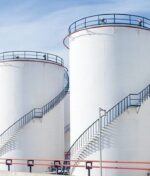
- High-volume storage tank farms
- Automated loading systems for trucks and barges
This infrastructure supports both spot market trading and long-term supply agreements.
Trading Liquidity and Market Access
The Netherlands is one of Europe’s most active petroleum trading hubs. As a result, buyers benefit from:
- Transparent pricing benchmarks
- Active spot and futures market integration
- High product availability across suppliers
This liquidity helps stabilize regional fuel pricing and reduces supply volatility.
How Gasoline Storage Netherlands Systems Operate
Terminal Workflow Explained
Gasoline storage terminals operate through a structured process:
- Import or transfer: Gasoline arrives via tanker ship, pipeline, or barge
- Quality inspection: Laboratory testing ensures compliance with EU fuel standards
- Tank allocation: Product is stored in designated tanks based on grade and specification
- Inventory management: Digital systems track volumes in real time
- Distribution: Fuel is dispatched to inland destinations
Each stage is tightly regulated to ensure safety and product integrity.
Storage Contract Types
Buyers can access storage infrastructure through several models:
- Dedicated tank leasing: Exclusive use of a storage tank
- Shared capacity agreements: Proportional access to tank volumes
- Third-party logistics (3PL): Outsourced storage and handling services
Each model affects cost structure, flexibility, and operational control.
Pricing Structure and Cost Components
Key Cost Drivers
Gasoline storage costs typically include:
- Monthly storage fees per cubic meter
- Handling charges for loading and unloading
- Throughput fees for product movement
- Insurance and safety compliance costs
- Potential demurrage penalties for delays
These costs must be considered when calculating landed fuel prices in destination markets.
Market Benchmarks
Gasoline pricing is typically linked to global benchmarks such as:
- Platts Gasoline assessments
- Brent crude oil benchmarks
- ICE futures contracts
Market intelligence from sources such as the U.S. Energy Information Administration (https://www.eia.gov) and OPEC (https://www.opec.org) provides essential context for price trends.
Logistics from Netherlands to Poland and Europe
Transport Modes
Once stored, gasoline can be transported through:
- Inland barges: Efficient for bulk volumes across waterways
- Rail networks: Faster inland distribution for mid-range shipments
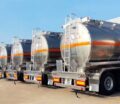
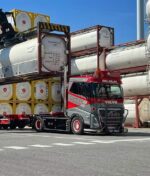
- Road tankers: Flexible but higher per-unit cost
Each mode plays a different role in the supply chain depending on urgency and volume.
Operational Challenges
Common logistical issues include:
- Port congestion during high-demand periods
- Seasonal river level fluctuations affecting barge transport
- Limited rail capacity in peak energy demand seasons
- Customs and regulatory delays for cross-border shipments
These factors can directly impact delivery schedules and pricing.
Regulatory Framework and Compliance
EU Fuel Standards
Gasoline imported or distributed in the EU must comply with EN 228 standards, which regulate:
- Octane rating
- Volatility levels
- Sulfur content
- Oxygenate composition
Non-compliance can lead to rejection or costly reprocessing.
Documentation Requirements
Key documents include:
- Bill of Lading (B/L)
- Certificate of Quality (COQ)
- Safety Data Sheet (SDS)
- Certificate of Origin
Accurate documentation ensures smooth customs clearance and regulatory compliance.
U.S. Supply Chain Considerations
When gasoline originates from U.S. refineries, additional factors include:
- Export licensing compliance
- Maritime shipping regulations
- Sanctions screening and AML checks
These steps are critical in ensuring legal and secure international transactions.
Risks and Common Buyer Mistakes
Overdependence on Intermediaries
Using multiple brokers or intermediaries can result in:
- Inflated pricing
- Lack of transparency
- Increased fraud exposure
Direct engagement with verified suppliers reduces these risks significantly.
Poor Contract Structuring
Common contractual issues include:
- Undefined delivery windows
- Missing quality penalty clauses
- Weak dispute resolution terms
Well-structured contracts are essential for mitigating operational risk.
Ignoring Storage Constraints
Failure to secure storage capacity in advance can lead to:
- Delivery delays
- Increased demurrage charges
- Forced rescheduling of shipments
Storage planning should always be integrated into procurement decisions.
Opportunities for Buyers in the Dutch Storage System
Strategic Inventory Management
Gasoline storage in the Netherlands enables buyers to:
- Build buffer stock against price volatility
- Optimize procurement timing
- Improve supply chain flexibility
Access to Global Supply Sources
The Netherlands acts as a redistribution hub for gasoline sourced from:
- U.S. Gulf Coast refineries
- Middle Eastern exporters
- European refineries
This diversity reduces dependency on a single supply region.
Price Optimization Strategies
By combining storage access with global sourcing, buyers can:
- Hedge against price fluctuations
- Blend supply from different origins
- Reduce average procurement cost over time
Companies such as those referenced at https://gastanks.nl/services/ operate within broader energy logistics frameworks that support such strategies.
Market Outlook and Future Trends
Continued Role of Storage Hubs
Despite energy transition trends, gasoline remains essential for:
- Passenger transport
- Logistics networks
- Industrial applications
This ensures continued relevance of storage infrastructure.
Digitalization of Storage Systems
Modern terminals are increasingly adopting:
- Real-time inventory tracking
- Automated scheduling systems
- Blockchain-based documentation systems
These improvements enhance transparency and efficiency.
Energy Transition Impacts
While electric mobility is growing, gasoline demand remains structurally significant in the medium term. As a result, storage hubs will continue to play a stabilizing role in European fuel markets.
Market analysis from Reuters Energy (https://www.reuters.com/business/energy/) and OilPrice (https://oilprice.com) highlights ongoing volatility in global refined product markets.
Supply Reliability and Risk Management
Key Strategies for Buyers
To improve supply security, buyers should:
- Secure long-term storage agreements
- Diversify sourcing regions
- Maintain flexible logistics options
- Monitor benchmark pricing continuously
Importance of Due Diligence
Reliable procurement requires verification of:
- Supplier legitimacy
- Terminal capacity availability
- Contract enforceability
Resources such as https://gastanks.nl/about/ and https://gastanks.nl/contact/ can provide entry points into structured supplier evaluation processes.
Integrated Supply Chain Approach
The most resilient buyers integrate:
- Refinery sourcing (U.S. and global)
- Dutch storage infrastructure
- Flexible European logistics networks
This reduces exposure to geopolitical, logistical, and pricing risks.
Conclusion
The Netherlands plays a central role in Europe’s gasoline storage and distribution system. Its terminals act as critical nodes connecting global refinery output to regional demand centers.
Understanding gasoline storage Netherland infrastructure allows buyers to navigate pricing structures, logistics challenges, and regulatory requirements more effectively. More importantly, it enables strategic decision-making that improves supply reliability and reduces operational risk.
In today’s volatile energy environment, successful fuel procurement is not just about sourcing gasoline—it is about controlling the entire chain from production to storage to delivery.