


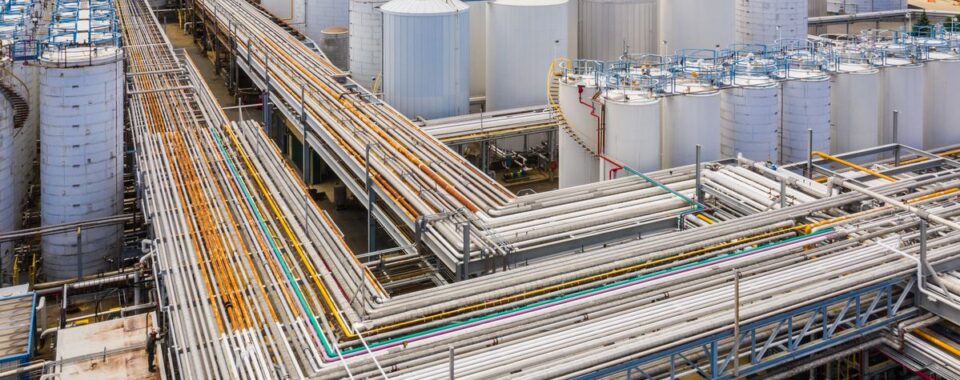
The tank terminal operations Netherlands system is one of the most advanced petroleum storage and handling networks in the world, forming a critical link between global fuel production and European consumption. Concentrated around major hubs such as Rotterdam, these operations manage the receipt, storage, blending, and redistribution of crude oil and refined petroleum products.
This article is written for energy buyers, procurement managers, traders, and logistics professionals who require a clear understanding of how tank terminal operations function in practice. It addresses a central challenge: how to manage fuel storage and handling efficiently while maintaining quality, compliance, and cost control.
For buyers sourcing directly from U.S. refineries, Dutch tank terminals are often the first point of entry into Europe. Their operational efficiency and regulatory reliability significantly influence delivery timelines, contract performance, and overall supply chain risk.
Tank terminal operations Netherlands: system overview and role
The tank terminal operations Netherlands network forms a core part of the country’s energy infrastructure. These terminals act as intermediaries between maritime imports and inland distribution systems.
Strategic importance in global trade
The Netherlands plays a central role due to:
- Its location along major North Sea shipping routes
- Its proximity to key European industrial regions
- Its extensive storage capacity
- Its integration with pipeline and inland transport systems
Tank terminals do not simply store fuel—they actively manage supply flows, balance demand, and support international trading activities.
Integration with global supply chains
Petroleum handled in Dutch terminals typically originates from:
- U.S. refinery exports
- Middle Eastern crude shipments
- African oil producers
Once received, products are stored, processed, and redistributed across Europe.
For infrastructure context and storage systems, see https://gastanks.nl/ and company overview at https://gastanks.nl/about/. These illustrate how integrated storage networks support energy logistics. Operational coordination is typically handled via https://gastanks.nl/contact/.
Infrastructure behind tank terminal operations Netherlands
The efficiency of tank terminal operations Netherlands depends on highly specialized infrastructure designed for large-scale fuel handling.
Storage tanks and terminal design
Tank terminals include:
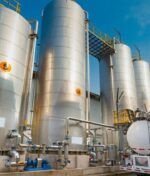
- Fixed-roof tanks for stable products
- Floating-roof tanks for volatile fuels
- Segregated storage compartments for multiple fuel grades
- Heating systems for heavy fuel oils
Each tank is engineered to maintain product quality and prevent contamination.
Transfer and handling systems
Fuel is moved within terminals using:
- High-capacity pumps
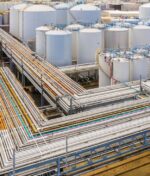
- Pipeline connections
- Marine loading arms
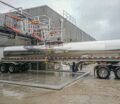
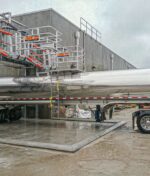
- Truck and rail loading racks
These systems allow seamless transfer between transport modes.
Monitoring and control systems
Modern terminals use:
- Automated inventory management systems
- Real-time monitoring of temperature and pressure
- Custody transfer metering systems
These technologies ensure accuracy and operational transparency.
Tank terminal operations Netherlands: operational workflow
The operational process in tank terminal operations Netherlands follows a structured sequence to ensure efficiency and safety.
Step 1: Arrival and discharge
Petroleum products arrive via tanker vessels and are:
- Unloaded into designated storage tanks
- Verified through quality and quantity inspections
- Documented for compliance and ownership
Step 2: Storage and management
Fuel is stored under controlled conditions, including:
- Continuous monitoring of tank levels
- Temperature and pressure regulation
- Contamination prevention measures
Step 3: Blending and processing
Terminals often blend products to meet:
- European regulatory standards
- Customer-specific requirements
Blending is a value-added service that enhances flexibility in supply.
Step 4: Distribution and dispatch
Products are dispatched via:
- Pipelines for high-volume transport
- Barges for inland waterways
- Rail and truck systems for regional delivery
This ensures efficient movement to end-users.
Pricing and contract structures
Pricing within tank terminal operations Netherlands reflects both global oil market dynamics and local operational costs.
Key cost components
Buyers typically encounter:
- Commodity price (linked to Brent benchmark)
- Storage fees (per cubic meter per day)
- Handling and transfer charges
- Inland transport costs
- Insurance and inspection fees
Contract types
Common contractual arrangements include:
- Spot contracts for immediate transactions
- Term contracts for long-term supply agreements
- Storage leasing agreements
- Throughput contracts for handling services
These structures allow buyers to balance price stability with operational flexibility.
Market pricing trends are influenced by:
- U.S. Energy Information Administration — https://www.eia.gov
- International Energy Agency — https://www.iea.org
- OPEC — https://www.opec.org
Regulatory and compliance framework
The Netherlands operates under strict regulatory oversight to ensure safety and environmental protection.
European Union regulations
Tank terminal operations must comply with:
- EU fuel quality directives
- Environmental emissions standards
- Customs and excise regulations
- Hazardous materials handling requirements
Inspection and certification
Each shipment requires:
- Independent quality testing
- Volume verification
- Documentation review
- Customs clearance
Safety systems and protocols
Terminals implement:
- Fire suppression systems
- Leak detection systems
- Emergency shutdown procedures
- Controlled access zones
These measures reduce operational risk and ensure compliance.
Opportunities for buyers
The tank terminal operations Netherlands system offers several advantages.
Access to diversified supply
Buyers can source fuel from multiple regions within a single hub, reducing dependency on any one supplier.
Infrastructure reliability
The Netherlands provides:
- Advanced logistics systems
- Efficient terminal operations
- Strong regulatory frameworks
Trading and arbitrage opportunities
Storage capacity allows buyers to:
- Take advantage of price fluctuations
- Optimize delivery timing
- Manage inventory strategically
Risks and common mistakes
Despite its strengths, tank terminal operations Netherlands involves several risks.
Cost underestimation
Buyers often overlook:
- Storage fees
- Demurrage charges
- Inland transport costs
Due diligence failures
Common issues include:
- Unverified service providers
- Misrepresented storage availability
- Incomplete documentation
Contract misalignment
Unclear terms can lead to disputes regarding:
- Delivery obligations
- Risk transfer
- Payment conditions
Logistics realities and operational challenges
Real-world conditions affect tank terminal operations.
Capacity constraints
High demand can result in:
- Limited storage availability
- Increased costs
- Scheduling delays
Port congestion
Heavy traffic in major hubs can cause:
- Delayed unloading
- Extended waiting times
- Increased demurrage costs
Documentation complexity
Errors in paperwork remain a major cause of delays and disputes.
Market outlook and future trends
The tank terminal operations Netherlands system is evolving in response to global energy shifts.
Increasing global trade flows
The Netherlands continues to benefit from:
- Growing U.S. exports
- Diversified global supply
- Strong demand in Europe
Energy transition impact
Terminals are adapting through:
- Biofuel integration
- Cleaner fuel storage systems
- Emissions reduction technologies
Digital transformation
Emerging innovations include:
- Automated terminal operations
- Real-time tracking systems
- Blockchain-based documentation
Industry insights from:
- Reuters Energy — https://www.reuters.com/business/energy/
- OilPrice — https://oilprice.com
highlight ongoing modernization efforts.
Supply reliability and risk mitigation
Ensuring reliable supply is a priority for buyers.
Diversified sourcing strategy
Buyers should combine:
- U.S. refinery supply
- European spot purchases
- Strategic storage reserves
Infrastructure coordination
Efficient operations depend on coordination with storage and logistics providers. Facilities such as those referenced at https://gastanks.nl/ demonstrate how integrated systems support fuel distribution. Additional insights are available at https://gastanks.nl/about/, with coordination via https://gastanks.nl/contact/.
Risk management practices
Effective strategies include:
- Insurance coverage
- Independent inspection services
- Continuous supply chain monitoring
Conclusion
The tank terminal operations Netherlands system is a cornerstone of European petroleum logistics, enabling efficient storage, handling, and distribution of fuel across the continent. Its advanced infrastructure, regulatory rigor, and strategic location make it a critical hub in global energy markets.
For buyers, understanding these operations is essential for optimizing procurement strategies, reducing risk, and ensuring reliable delivery. From U.S. refinery exports to European consumption, Dutch tank terminals remain central to the movement of petroleum products.
As global energy systems evolve, the Netherlands will continue to play a leading role—balancing traditional fuel logistics with emerging energy solutions while maintaining its position as a key gateway for international trade.