

The tank storage for lease Netherland market plays a central role in global energy logistics, particularly for crude oil, refined fuels, chemicals, and renewable feedstocks. The Netherlands—especially Rotterdam—functions as one of Europe’s most important energy hubs due to its deepwater ports, pipeline connectivity, and large-scale industrial storage infrastructure.
This article explains how tank storage leasing works, who uses it, how contracts are structured, and what risks and opportunities buyers must understand before entering agreements. It is written for traders, importers, logistics planners, and energy buyers who need clarity on storage availability, costs, and operational constraints in the Dutch market.
We also examine regulatory conditions, pricing mechanics, and supply chain risks that influence access to storage capacity in one of the world’s most strategically important petroleum hubs.
Understanding Tank Storage for Lease Netherland
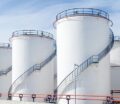
Tank storage refers to large, engineered containers used to hold liquid bulk products such as crude oil, diesel, gasoline, jet fuel, liquefied petroleum gas (LPG), and chemicals. In the Netherlands, these facilities are concentrated in industrial zones such as Rotterdam, Amsterdam port area, and Zeeland.
The tank storage for lease Netherland market is dominated by independent terminal operators and integrated energy infrastructure companies. These operators lease storage capacity to third parties under short-term or long-term agreements.
What is being leased?
When companies lease tank storage, they are not buying physical tanks. Instead, they are renting:
- Dedicated tank capacity (measured in cubic meters or barrels)
- Access to pipelines and jetty infrastructure
- Product handling services (heating, blending, pumping)
- Inventory management systems
This structure allows traders and importers to store large volumes of fuel without owning infrastructure.
Key Locations in the Netherland Storage Market
The Dutch storage sector is geographically concentrated due to logistics efficiency and port access.
Rotterdam: Europe’s Energy Gateway
Rotterdam is the largest petroleum storage hub in Europe and one of the largest in the world. Its advantages include:
- Deepwater port access for VLCC and Suezmax tankers
- Direct pipeline connections to Germany, Belgium, and inland Europe
- Dense cluster of refineries and terminals
Major operators include independent storage companies and integrated infrastructure firms linked to global energy networks.
Amsterdam and Zeeland Clusters
While smaller than Rotterdam, these regions support:
- Product blending and distribution
- Chemical and specialty storage
- Regional fuel logistics
The Netherlands’ strategic position ensures that tank storage demand remains consistently high.
How Tank Storage Leasing Works
The leasing process in the Netherlands follows structured commercial and operational procedures.
Contract types
Most agreements fall into three categories:
- Short-term storage (spot leasing): Monthly or quarterly contracts for traders responding to market volatility
- Mid-term agreements: 6–24 month leases used by distributors and importers
- Long-term capacity contracts: Multi-year deals securing guaranteed storage access
What determines availability?
Storage availability depends on:
- Seasonal fuel demand fluctuations
- Refinery output and import flows
- Port congestion and shipping schedules
- Regulatory and environmental constraints
High-demand periods often reduce available capacity, increasing leasing prices.
Pricing Structure and Cost Drivers
Pricing in the tank storage for lease Netherlands market is complex and influenced by multiple variables.
Main cost components
- Capacity fee
Charged per cubic meter per month for reserved storage space. - Throughput fees
Costs for moving product in and out of tanks. - Handling services
Heating, blending, nitrogen blanketing, or quality maintenance. - Ancillary infrastructure charges
Pipeline access, berthing fees, and safety compliance costs.
Market influences on pricing
Storage rates fluctuate based on:
- Crude oil price cycles (contango vs backwardation conditions)
- European refining margins
- Geopolitical disruptions affecting supply chains
- Seasonal fuel demand (winter heating fuels, summer gasoline peaks)
During periods of oversupply, storage demand increases significantly, pushing prices upward.
Regulatory Framework and Compliance Requirements
The Netherlands operates under strict environmental and industrial regulations, particularly due to its proximity to populated areas and ecological zones.
Key regulatory bodies
- Dutch environmental authorities
- European Union energy and emissions regulations
- Port authority compliance systems
Key compliance requirements
Operators and tenants must comply with:
- Environmental permits for hazardous materials
- Seveso III Directive (major accident hazard control)
- Emissions and vapor recovery standards
- Fire safety and industrial risk zoning laws
These regulations increase operational costs but ensure high safety standards and reliability.
Operational Realities of Tank Storage
Leasing tank storage is not simply a passive rental arrangement. It involves active operational coordination.
Product compatibility
Not all tanks can store all products. Operators must ensure:
- Correct tank lining and material compatibility
- Prevention of cross-contamination
- Temperature control for heavy fuels
Inventory management
Modern terminals use digital systems to track:
- Stock levels in real time
- Product movement scheduling
- Customs and tax reporting compliance
Logistics integration
Storage is tightly linked to:
- Pipeline systems
- Marine terminal operations
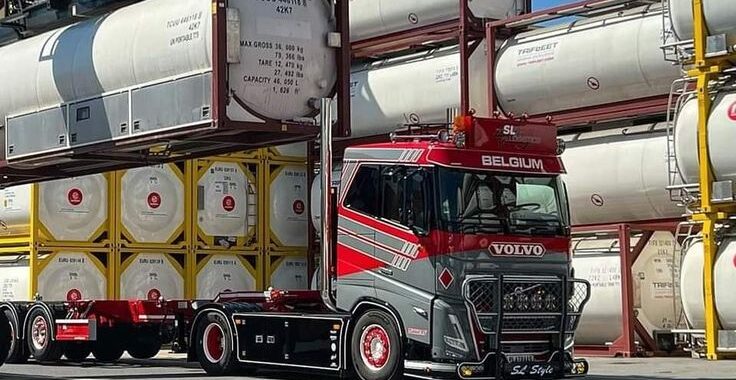
- Truck and rail distribution networks
Risks and Common Mistakes in Storage Leasing
Many new entrants misunderstand how competitive and regulated the Dutch storage market is.
1. Underestimating capacity scarcity
During high-demand cycles, even large traders struggle to secure flexible storage.
2. Ignoring contract rigidity
Some long-term contracts include strict minimum volume commitments, limiting flexibility.
3. Misjudging demurrage exposure
Delays in ship unloading or pipeline transfers can result in significant penalty costs.
4. Overlooking regulatory delays
Permitting or compliance checks can slow down onboarding into terminal systems.
Strategic Value of Dutch Storage Infrastructure
The Netherlands offers more than just physical storage capacity—it functions as a redistribution hub for Europe.
Advantages for traders and importers
- Direct access to EU fuel markets
- High liquidity and product interchangeability
- Efficient re-export capabilities
- Strong banking and trade finance infrastructure
Integration with global energy flows
According to the International Energy Agency (IEA), Europe increasingly relies on flexible storage systems to balance supply disruptions and demand volatility.
Similarly, global oil flow shifts reported by Reuters Energy highlight Europe’s dependency on import terminals like Rotterdam for energy security.
Market Outlook: Future of Tank Storage in Netherland
The storage sector is undergoing structural transformation driven by energy transition trends.
Key developments
- Growing demand for biofuel blending capacity
- Hydrogen and ammonia storage pilots
- Reduced long-term fossil fuel storage demand
- Increased regulatory pressure on emissions and safety
Despite the transition, liquid fuel storage remains essential for decades due to industrial, aviation, and shipping demand.
Reports from the U.S. Energy Information Administration (EIA) confirm that global liquid fuel demand remains structurally stable in the medium term.
Opportunities for Buyers and Investors
Even in a transitioning energy landscape, opportunities remain strong.
Key opportunities include:
- Arbitrage trading using seasonal storage price spreads
- Strategic inventory positioning during supply disruptions
- Long-term infrastructure leasing for fuel distribution companies
- Integration with renewable fuel supply chains
Companies with strong logistics planning can significantly reduce procurement costs by optimizing storage timing and location.
Risk Mitigation Strategies
To operate effectively in the Dutch storage market, buyers should adopt structured risk controls:
- Diversify storage locations across multiple terminals
- Lock in flexible contract terms where possible
- Use hedging strategies for inventory price exposure
- Maintain compliance readiness for EU regulatory audits
Industry organizations such as OPEC and global market analysts emphasize that storage is increasingly a financial instrument, not just a logistics function.
Conclusion
The tank storage for lease Netherlands market is a highly sophisticated, regulated, and strategically vital component of global energy infrastructure. It combines physical logistics, financial trading, and regulatory compliance into a single integrated system.
For buyers, success depends on understanding not only storage availability but also pricing dynamics, contract structures, and operational constraints. The Netherlands remains one of the most reliable and interconnected storage hubs in the world, but access requires careful planning and risk awareness.
As energy markets evolve, storage will continue to serve as a critical buffer between global supply volatility and regional demand stability—making Dutch terminals an essential part of the international energy ecosystem.