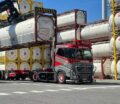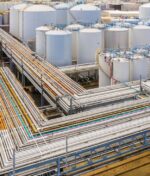

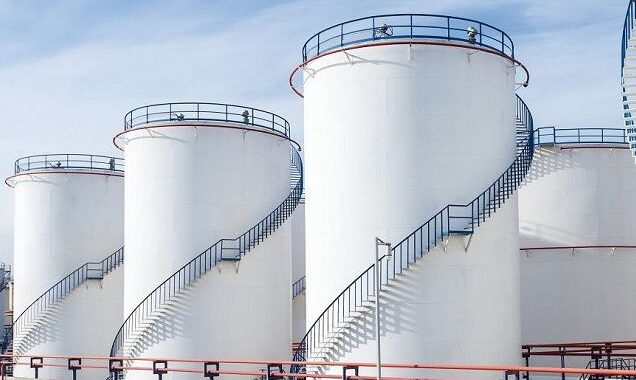
The role of chemical storage tanks Netherland infrastructure is central to Europe’s industrial and energy supply chains. The Netherlands is one of the most important chemical and petrochemical storage hubs in the world, serving as a redistribution point for raw chemicals, refined products, and industrial feedstocks moving between global producers and European manufacturers.
This article provides a structured explanation of how chemical storage tanks operate in the Netherlands, why the country is a strategic hub for chemical logistics, and what industrial buyers must understand about safety standards, pricing structures, regulations, and supply chain risks. It also explains how global sourcing—particularly from large refining and chemical production regions such as the United States—connects to Dutch storage systems to ensure continuity of supply.
The central issue for buyers is reliability and risk control. Chemical supply chains require strict handling, precise documentation, and specialized storage infrastructure. Understanding how Dutch storage terminals function is essential for minimizing disruption and ensuring compliance.
The Role of Chemical Storage Tanks in Industrial Supply Chains
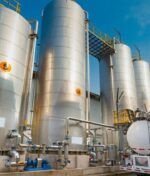
Chemical storage tanks are specialized containment systems designed to safely store liquid chemicals, petrochemicals, and industrial feedstocks. Unlike standard fuel storage, chemical storage requires advanced engineering controls due to the reactive, corrosive, or hazardous nature of many products.
In the Netherlands, these tanks serve four primary functions:
- Bulk chemical storage for industrial distribution
- Product segregation based on chemical compatibility
- Blending and conditioning for industrial specifications
- Export and redistribution hub operations
These systems form the backbone of Europe’s chemical logistics network.
Why the Netherlands Is a Global Chemical Storage Hub
Strategic Geographic Position
The Netherlands is located at the center of Europe’s most industrialized corridor, providing access to:
- Germany’s chemical manufacturing base
- Belgium’s petrochemical clusters
- Northern France industrial zones
- Central and Eastern European markets, including Poland
This positioning allows rapid redistribution of chemical products across the continent.
Port and Logistics Infrastructure
The Dutch chemical storage network is heavily integrated with major ports such as Rotterdam, which is one of the largest chemical and oil handling ports in the world. Key advantages include:
- Deep-water port access for large chemical tankers
- Extensive pipeline connections
- Inland barge distribution systems
- Rail and truck logistics integration
This multimodal infrastructure enables efficient movement of hazardous materials.
Industrial Ecosystem Depth
The Netherlands hosts a dense ecosystem of:
- Chemical manufacturers
- Refiners and petrochemical processors
- Storage and logistics providers
- Trading companies and distributors
This ecosystem creates high market liquidity and operational flexibility for buyers.
Chemical Storage Tanks Netherland: System Design and Operation
Tank Types and Construction
Chemical storage tanks vary depending on the type of chemical stored. Common designs include:
- Carbon steel tanks: Used for non-corrosive chemicals
- Stainless steel tanks: For corrosive or reactive substances
- Coated or lined tanks: For aggressive chemical compounds
- Cryogenic tanks: For low-temperature or liquefied gases
Each tank type is engineered for specific chemical compatibility.
Operational Workflow
A typical chemical storage terminal operates through the following process:
- Incoming shipment receipt via ship, pipeline, or rail
- Quality and compatibility testing in controlled laboratories
- Segregated storage allocation based on chemical class
- Continuous monitoring of temperature, pressure, and contamination
- Distribution and loading for export or inland delivery
Strict operational controls ensure safety and product integrity at every stage.
Safety Standards and Regulatory Framework
European Chemical Regulations
Chemical storage in the Netherlands is governed by strict EU regulations, including:
- REACH (Registration, Evaluation, Authorisation and Restriction of Chemicals)
- Seveso III Directive (major accident hazard control)
- ADR regulations for transport of dangerous goods
These frameworks ensure environmental protection and industrial safety.
Facility Safety Systems
Modern chemical storage terminals include:
- Secondary containment systems (bund walls)
- Fire suppression systems
- Gas detection and monitoring systems
- Automated leak detection technology
- Emergency shutdown systems
These systems reduce environmental and operational risk.
Documentation and Compliance
Each chemical shipment requires:
- Safety Data Sheet (SDS)
- Certificate of Analysis (COA)
- Transport documentation (ADR compliant)
- Origin and traceability records
Non-compliance can result in shipment rejection or regulatory penalties.
Pricing Structures and Cost Components
Key Cost Drivers
Chemical storage costs in the Netherlands are influenced by:
- Tank rental or leasing fees
- Handling and transfer charges
- Safety compliance and monitoring costs
- Insurance for hazardous materials
- Environmental and regulatory fees
These costs vary depending on chemical classification and storage duration.
Market Pricing Influences
Chemical pricing is typically benchmarked against:
- Global petrochemical indices
- Feedstock pricing (crude oil, naphtha, LNG)
- Regional supply-demand dynamics
Market insights from sources such as the U.S. Energy Information Administration (https://www.eia.gov) and OPEC (https://www.opec.org) provide essential context for pricing trends.
Logistics and Distribution from the Netherlands
Transport Methods
Chemical products stored in Dutch terminals are distributed through:
- Barge transport: Primary method for bulk inland delivery
- Rail systems: Suitable for hazardous chemical movement
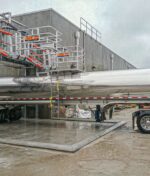
- Road tankers: Flexible but regulated for safety compliance
- Pipeline systems: Used for specific chemical streams
Each method is selected based on chemical type and destination.
Operational Challenges
Key logistical risks include:
- Regulatory delays for hazardous materials transport
- Limited specialized transport availability
- Seasonal congestion in inland waterways
- Strict safety inspection requirements
These factors can impact delivery timelines and costs.
Risks and Common Buyer Mistakes
Misclassification of Chemicals
One of the most serious errors is incorrect classification of chemical products. This can lead to:
- Safety hazards during storage
- Regulatory violations
- Shipment rejection
Proper classification under EU standards is essential.
Inadequate Supplier Verification
Relying on unverified intermediaries can result in:
- Fraudulent product claims
- Non-compliant shipments
- Financial loss
Due diligence is critical in chemical procurement.
Poor Contract Structuring
Weak contracts often lack:
- Clear delivery terms
- Liability clauses for contamination
- Defined quality specifications
These gaps expose buyers to operational and legal risks.
Opportunities for Buyers in Dutch Chemical Storage Systems
Strategic Inventory Control
Chemical storage in the Netherlands enables buyers to:
- Maintain buffer inventory for industrial operations
- Optimize procurement timing
- Reduce exposure to supply disruptions
Access to Global Supply Networks
Dutch terminals act as redistribution hubs for chemicals sourced from:
- U.S. chemical and refinery complexes
- Middle Eastern petrochemical producers
- European manufacturing centers
This diversification enhances supply resilience.
Supply Chain Optimization
Advanced buyers combine:
- Long-term supply contracts
- Strategic storage capacity
- Flexible logistics arrangements
This reduces costs and improves reliability.
Companies such as those referenced at https://gastanks.nl/services/ operate within broader industrial storage and logistics ecosystems that support structured chemical handling.
Market Outlook and Future Trends
Continued Industrial Demand
Chemical demand remains strong in:
- Manufacturing
- Agriculture
- Pharmaceuticals
- Construction materials
This supports ongoing importance of storage infrastructure.
Digitalization of Storage Systems
Modern chemical terminals are adopting:
- Real-time inventory tracking
- AI-driven logistics optimization
- Automated safety monitoring systems
These technologies improve efficiency and risk management.
Sustainability and Regulation Pressure
Environmental regulations are increasing pressure on chemical storage operators to:
- Reduce emissions
- Improve leak prevention systems
- Transition to safer chemical handling processes
This is reshaping infrastructure investment priorities.
Market analysis from Reuters Energy (https://www.reuters.com/business/energy/) and OilPrice (https://oilprice.com) highlights ongoing volatility in global petrochemical markets.
Supply Reliability and Risk Management
Key Buyer Strategies
To ensure reliable chemical supply, buyers should:
- Diversify sourcing regions
- Secure long-term storage capacity
- Maintain strict quality control standards
- Work with verified logistics providers
Importance of Due Diligence
Critical verification steps include:
- Supplier legitimacy checks
- Terminal compliance certification
- Chemical compatibility validation
- Contract enforceability review
Resources such as https://gastanks.nl/about/ and https://gastanks.nl/contact/ can serve as entry points for structured supplier evaluation and logistics coordination.
Integrated Supply Chain Model
The most resilient chemical procurement systems combine:
- Global sourcing (U.S., EU, Middle East)
- Dutch storage infrastructure
- Multimodal European logistics networks
This integrated structure reduces exposure to disruption and improves operational predictability.
Conclusion
The Netherlands is one of the world’s most important hubs for chemical storage and distribution. Its infrastructure supports global trade flows and ensures that industrial chemicals can be stored, handled, and transported safely and efficiently.
Understanding chemical storage tanks Netherland systems allows buyers to navigate complex regulatory frameworks, manage logistics challenges, and reduce supply chain risks. More importantly, it enables the design of resilient procurement strategies built on transparency, compliance, and operational control.
In an increasingly regulated and interconnected chemical market, success depends on mastering the full chain—from sourcing to storage to final delivery—while maintaining strict safety and quality standards.