


- April 17, 2026
- by admingas
- Tank Farm Leasing
The pipeline connected storage Netherlands system is a critical element of Europe’s energy logistics infrastructure, enabling the seamless movement and storage of crude oil, refined fuels, and petrochemical products. By linking storage terminals directly to pipeline networks, this system allows for efficient, high-volume transport between ports, refineries, and inland markets.
This article is intended for fuel buyers, commodity traders, and industrial procurement professionals who need a clear understanding of how pipeline-connected storage operates in the Netherlands. The key challenge is balancing cost efficiency, supply reliability, and regulatory compliance in a complex, interconnected logistics environment.
For buyers sourcing directly from U.S. refineries, pipeline-connected storage provides a strategic advantage. After marine delivery into Dutch ports, products can be transferred directly into pipeline networks, reducing handling costs and improving delivery speed. Understanding how this system works is essential for optimizing procurement strategies and minimizing operational risks.
Pipeline Connected Storage Netherlands: Market Structure
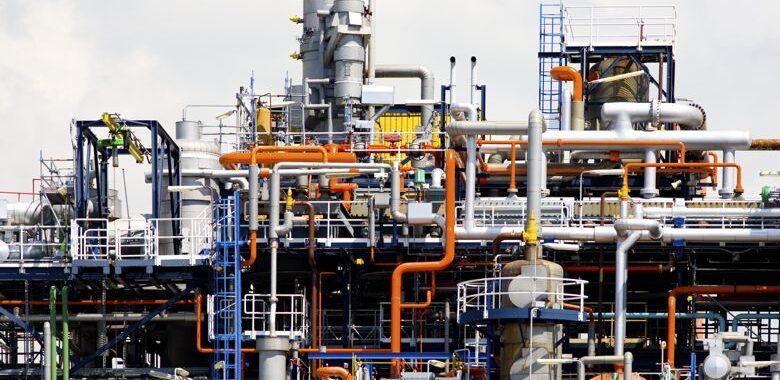
The pipeline connected storage Netherlands network is built around integrated infrastructure that combines storage facilities with pipeline transport systems.
Core Infrastructure Components
1. Import Terminals and Tank Farms
Large storage terminals receive petroleum products from seaborne imports and hold them for redistribution.
2. Pipeline Networks
Extensive pipeline systems connect storage terminals with refineries, industrial zones, and neighboring countries such as Germany and Belgium.
3. Pumping Stations and Control Systems
These regulate the flow, pressure, and direction of products within the pipeline network.
4. Distribution Interfaces
Connections to road, rail, and inland waterway systems provide additional delivery flexibility.
Types of Products Transported
- Crude oil
- Diesel and gasoline
- Jet fuel
- Petrochemicals
- Biofuels and alternative energy liquids
Key Market Participants
- Pipeline operators
- Storage terminal companies
- Oil majors and refiners
- Logistics service providers
Together, these stakeholders ensure efficient product movement across the supply chain.
Role of Pipeline Storage in the U.S.–EU Supply Chain
Pipeline-connected storage is essential for integrating global imports into regional distribution systems.
Typical Supply Chain Flow
- Loading at U.S. refinery or export terminal
- Marine transport to Dutch ports
- Discharge into storage terminals
- Transfer into pipeline networks
- Delivery to refineries or inland markets
Strategic Advantages
- Continuous, high-volume transport capacity
- Reduced reliance on road and rail logistics
- Lower operational and environmental costs
- Improved delivery reliability
These advantages make pipelines a preferred mode for large-scale fuel distribution.
Pipeline Connected Storage Netherlands: Regulatory Framework
The pipeline connected storage Netherlands sector operates under strict regulatory oversight due to safety and environmental considerations.
Key Compliance Areas
1. EU Fuel Quality Standards
Products must meet strict specifications for composition and emissions.
2. Environmental Protection Regulations
Pipeline and storage operations must minimize environmental impact and prevent leaks or spills.
3. Safety Regulations
High-pressure pipeline systems require rigorous monitoring and maintenance.
4. Cross-Border Transport Rules
Pipelines often cross national borders, requiring compliance with multiple regulatory regimes.
5. U.S. Export Compliance
Products sourced from U.S. refineries must meet export requirements.
Authoritative sources include:
U.S. Energy Information Administration — https://www.eia.gov
International Energy Agency — https://www.iea.org
Non-compliance can lead to operational disruptions and financial penalties.
Pricing Structures and Cost Drivers
Pipeline-connected storage offers cost advantages but involves specific pricing structures.
Common Pricing Models
Storage Fees
- Charged per cubic meter and storage duration
Pipeline Tariffs
- Fees based on volume transported and distance
Handling and Transfer Fees
- Applied when products enter or exit the system
Key Cost Drivers
- Pipeline capacity and demand
- Energy prices affecting pumping operations
- Regulatory compliance costs
- Maintenance and infrastructure expenses
- Market demand fluctuations
Market insights from:
Reuters Energy — https://www.reuters.com/business/energy/
OilPrice — https://oilprice.com
help buyers anticipate cost trends and optimize procurement timing.
Contract Structures and Commercial Considerations
Contracts are essential for securing access to pipeline-connected storage systems.
Key Contract Elements
- Pipeline access agreements
- Storage capacity allocation
- Throughput commitments
- Quality and specification requirements
- Liability and insurance provisions
Strategic Considerations
- Secure long-term pipeline access in high-demand corridors
- Ensure flexibility for volume adjustments
- Include clear operational and quality standards
Working with structured providers—such as those outlined on https://gastanks.nl/services/—helps ensure efficient logistics management.
Risks and Common Mistakes
Pipeline-connected storage introduces both operational and commercial risks.
Operational Risks
- Pipeline capacity constraints
- Maintenance shutdowns or technical failures
- Pressure or flow disruptions
Commercial Risks
- Tariff fluctuations
- Hidden transfer or handling costs
- Counterparty reliability issues
Common Buyer Mistakes
- Over-reliance on a single pipeline route
- Failing to secure storage capacity in advance
- Ignoring compatibility between products
- Underestimating regulatory complexity
A structured due diligence approach—similar to frameworks described on https://gastanks.nl/about/—can significantly reduce these risks.
Supply Reliability and Risk Mitigation
Pipeline-connected storage systems are essential for ensuring continuous supply.
Best Practices
- Diversify pipeline routes and storage locations
- Maintain buffer inventory levels
- Monitor pipeline performance in real time
- Use flexible logistics strategies
Risk Mitigation Tools
- Long-term pipeline and storage contracts
- Cargo and infrastructure insurance
- Hedging strategies for cost fluctuations
- Contingency planning for disruptions
These measures help ensure uninterrupted supply to end-users.
Opportunities for Buyers
The Netherlands offers significant advantages for pipeline-connected storage:
1. Strategic Geographic Position
A central hub linking global imports with European markets.
2. Advanced Pipeline Infrastructure
Extensive networks connecting ports to inland regions.
3. Cost Efficiency
Lower transport costs compared to road or rail for large volumes.
4. Integrated Logistics Systems
Seamless connection between storage, pipelines, and distribution networks.
Companies operating in this ecosystem—such as https://gastanks.nl/—benefit from these structural advantages.
Pipeline Connected Storage Netherlands: Market Outlook
The pipeline connected storage Netherlands sector is evolving in response to global energy trends.
Key Trends
Energy Transition
- Integration of biofuels and alternative energy products into pipeline systems
- Continued demand for petroleum products in the medium term
Digitalization
- Real-time monitoring and control of pipeline operations
- Automated compliance and reporting systems
Infrastructure Investment
- Expansion and modernization of pipeline networks
- Increased storage capacity
Geopolitical Factors
- Energy security concerns in Europe
- Supply chain disruptions affecting global oil flows
Organizations such as OPEC — https://www.opec.org
continue to influence global supply dynamics, impacting pipeline utilization and pricing.
Practical Buyer Guidance
To effectively manage pipeline-connected storage, buyers should follow a structured approach:
Step-by-Step Strategy
- Define product specifications and demand forecasts
- Secure storage capacity at key terminals
- Obtain pipeline access agreements
- Conduct regulatory compliance checks
- Negotiate clear and structured contracts
- Monitor supply chain performance continuously
This approach improves efficiency and reduces exposure to operational risks.
Conclusion
Pipeline-connected storage in the Netherlands is a cornerstone of Europe’s energy logistics system, enabling efficient, high-volume transport and storage of petroleum products. Its integration with global supply chains—especially imports from U.S. refineries—makes it a critical tool for ensuring reliable and cost-effective fuel distribution.
While the system offers significant advantages in efficiency and scale, it also introduces complexity in terms of pricing, regulation, and operational management. By understanding how pipeline-connected storage works and applying structured procurement strategies, buyers can secure reliable supply and navigate the challenges of a dynamic global energy market.