

For energy traders, procurement specialists, and industrial buyers, understanding bulk liquid storage Netherland is essential to managing complex fuel supply chains across Europe. The Netherlands is one of the world’s leading hubs for storing petroleum products and other bulk liquids, serving as a critical gateway between global suppliers and European markets such as Poland.
This guide is written for buyers sourcing fuels—often directly from U.S. refineries—who require secure storage, regulatory clarity, and logistical flexibility before final delivery. While direct refinery purchasing offers advantages such as price transparency and supply reliability, these benefits depend heavily on access to efficient storage infrastructure in Europe.
Bulk Liquid Storage Netherland in Global Trade
Strategic Importance of the Dutch Hub
The Netherlands, particularly the Amsterdam-Rotterdam-Antwerp (ARA) region, plays a central role in global bulk liquid storage. Facilities here handle:
- Crude oil imports
- Refined fuels such as diesel and jet fuel
- Chemicals and biofuels
According to the U.S. Energy Information Administration, storage hubs are vital for balancing global energy flows and managing supply volatility.
Role for Central and Eastern Europe
Bulk liquid storage in the Netherlands serves as a redistribution point for inland markets, including Poland. Buyers benefit from:
- Centralized inventory management
- Access to multiple transportation routes
- Reduced dependency on single supply chains
Working with infrastructure providers such as Gastanks and reviewing their services can help buyers align storage with logistics requirements.
How Bulk Liquid Storage Facilities Operate
Storage Infrastructure
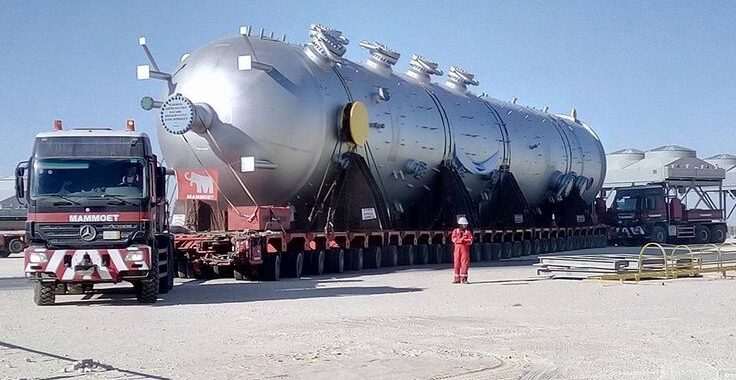
Bulk liquid storage facilities consist of large tank farms designed for different liquid products. Tanks vary in:
- Capacity (from thousands to millions of barrels)
- Construction materials (steel, coated alloys)
- Features such as heating or insulation
These systems ensure safe and stable storage of fuels and other liquids.
Handling and Transfer Systems
Facilities include pipelines, pumps, and loading systems that enable:
- Efficient transfer between ships and tanks
- Movement to inland distribution networks
- Blending or processing where required
Inventory and Monitoring
Modern storage terminals use digital systems to monitor:
- Volume and quality of stored products
- Temperature and pressure conditions
- Real-time stock levels
This improves transparency and operational control for buyers.
Logistics Advantages for Buyers
Flexibility in Procurement and Delivery
Using bulk liquid storage allows buyers to separate purchasing decisions from delivery schedules. This provides:
- Ability to buy during favorable market conditions
- Storage of inventory for future distribution
- Reduced pressure on immediate logistics
Multimodal Transport Connectivity
The Netherlands offers integrated transport options, including:
- Pipelines to refineries and depots
- Barges through European waterways
- Rail and truck networks
This flexibility enhances efficiency and reduces transportation costs.
Reduced Supply Chain Risk
Storing products closer to end markets helps mitigate risks such as:
- Shipping delays
- Port congestion
- Geopolitical disruptions
Bulk Liquid Storage Netherland: Regulatory Framework
Environmental and Safety Regulations
Dutch storage facilities operate under strict EU regulations covering:
- Emissions control and environmental protection
- Safe handling of hazardous materials
- Fire prevention and emergency response
Compliance ensures operational safety and environmental sustainability.
Customs and Tax Considerations
Bulk liquids stored in the Netherlands may be subject to:
- EU customs procedures
- Excise duties depending on destination
- Bonded storage arrangements
Accurate documentation is essential to avoid delays and penalties.
U.S. Export Compliance
For buyers sourcing from U.S. refineries:
- Export regulations must be followed
- Documentation must align with EU requirements
- Sanctions and trade restrictions must be considered
Information about compliance practices can be found on the Gastanks about page.
Pricing and Contract Structures
Cost Components
Bulk liquid storage costs typically include:
- Tank rental fees: Based on volume and duration
- Throughput charges: For handling and transfer
- Additional services: Heating, blending, or maintenance
Understanding these components helps buyers calculate total landed costs.
Contract Types
Common contract structures include:
- Spot agreements for short-term storage
- Long-term leases for guaranteed capacity
- Flexible contracts with adjustable volumes
Key considerations include access rights, liability, and termination conditions.
Risks and Common Mistakes
Capacity Constraints
High demand for storage can lead to:
- Limited availability of tank space
- Increased storage costs
- Reduced flexibility for buyers
Operational Risks
Potential risks include:
- Product contamination
- Equipment failures
- Safety incidents
Selecting experienced operators reduces these risks significantly.
Documentation Errors
Errors in documentation can result in:
- Customs delays
- Financial penalties
- Disruption of supply chains
Opportunities for Strategic Buyers
Market Timing and Arbitrage
Bulk liquid storage enables buyers to take advantage of market conditions by:
- Purchasing fuel when prices are low
- Storing inventory during surplus periods
- Selling or distributing when prices rise
Market insights from OilPrice and Reuters Energy can support decision-making.
Supply Chain Resilience
Maintaining stored inventory improves resilience by:
- Ensuring continuous supply
- Reducing dependency on immediate shipments
- Allowing rapid response to demand changes
Access to Global Supply
The Netherlands allows buyers to source bulk liquids globally and store them centrally, improving diversification and reducing supply risks.
Bulk Liquid Storage Netherland: Market Outlook
Energy Transition Trends
The Netherland is investing in alternative energy and storage solutions, including:
- Biofuels and renewable fuels
- Hydrogen storage infrastructure
- Carbon capture technologies
These developments may influence future demand for traditional bulk liquid storage.
Digitalization and Efficiency
Technological advancements are improving storage operations through:
- Real-time inventory tracking
- Automated documentation systems
- Predictive maintenance tools
These innovations enhance efficiency and reduce operational risks.
Global Supply Dynamics
Changes in global production and trade flows continue to shape storage demand. Reports from the International Energy Agency and OPEC provide insights into evolving market conditions.
Best Practices for Buyers
- Secure storage early: Ensure capacity before shipments arrive
- Diversify storage locations: Reduce dependency on a single facility
- Align contracts with logistics needs: Maintain flexibility
- Verify compliance: Ensure adherence to EU and international regulations
- Work with reliable operators: Improve efficiency and reduce risk
Buyers can explore storage solutions through Gastanks or contact providers directly via the contact page.
Conclusion
Bulk liquid storage in the Netherland is a critical component of global and European supply chains. It provides the infrastructure needed to manage imports, balance supply and demand, and distribute products efficiently across markets such as Poland.
Key takeaways include:
- The Netherlands is a leading hub for bulk liquid storage
- Storage enhances flexibility, cost control, and risk mitigation
- Compliance and documentation are essential for smooth operations
- Pricing and contracts must be carefully structured
- Market awareness improves strategic decision-making
By leveraging bulk liquid storage Netherlands effectively, buyers can strengthen supply reliability, optimize logistics, and navigate the complexities of international fuel trade with confidence.