



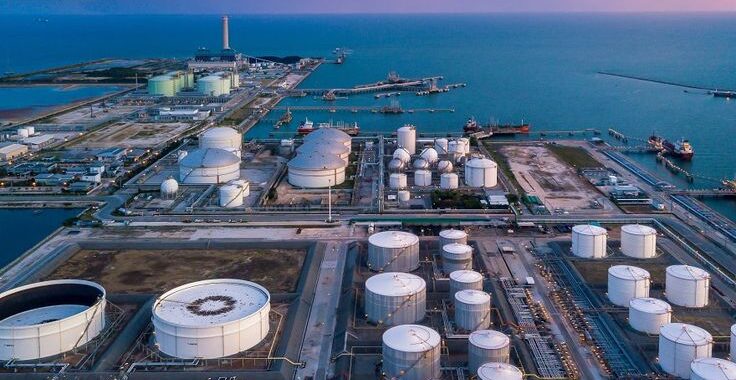
The petroleum transport storage Netherlands system forms a critical backbone of Europe’s energy infrastructure, enabling the safe movement and storage of crude oil and refined petroleum products across global and regional supply chains. From import terminals at major ports to inland storage and distribution networks, the Netherlands plays a central role in connecting international supply—especially from U.S. refineries—to European demand.
This article is designed for procurement professionals, energy traders, and industrial buyers seeking a clear understanding of how petroleum transport and storage systems operate in the Netherlands. The key challenge lies in managing logistics complexity while ensuring compliance, cost efficiency, and supply reliability.
Buying directly from a U.S. refinery can provide pricing advantages and supply security, but it also requires robust transport and storage coordination. Understanding how these systems function is essential for mitigating risks and ensuring uninterrupted petroleum supply.
Petroleum Transport Storage Netherlands: Market Structure
The petroleum transport storage Netherlands network is one of the most advanced in the world, supported by integrated infrastructure and specialized logistics providers.
Core Infrastructure Components
1. Seaport Import Terminals
The Port of Rotterdam serves as a global hub for crude oil and refined products, handling significant volumes of petroleum imports.
2. Storage Tank Facilities
Large tank farms provide temporary storage for crude oil and refined fuels, enabling inventory management, blending, and redistribution.
3. Pipeline Networks
Pipelines connect ports with refineries, industrial zones, and neighboring countries, offering efficient bulk transport.
4. Inland Transport Systems
Road tankers, rail networks, and inland waterways distribute petroleum products across Europe.
Key Market Participants
- Oil majors with integrated logistics operations
- Independent storage terminal operators
- Transport and logistics companies
- Energy trading firms
These participants collectively ensure the efficient functioning of the petroleum supply chain.
Transport and Storage Chain from U.S. Refineries
When petroleum products are sourced from U.S. refineries, the logistics chain becomes multi-layered and globally coordinated.
Typical Supply Chain Flow
- Loading at U.S. refinery or export terminal
- Marine transport via tanker vessels
- Arrival at Dutch import terminals
- Customs clearance and inspection
- Storage in tank facilities
- Distribution to European markets
Key Operational Challenges
- Vessel delays and maritime congestion
- Limited storage capacity during peak demand
- Differences in product specifications
- Coordination between transport and storage providers
Each stage must be managed carefully to avoid delays or supply disruptions.
Petroleum Transport Storage Netherlands: Regulatory Framework
The petroleum transport storage Netherlands sector is subject to strict EU and international regulations due to safety, environmental, and security considerations.
Key Compliance Areas
1. EU Fuel Standards
Petroleum products must meet strict quality and emissions specifications.
2. Environmental Regulations
Storage and transport operations must comply with emissions, spill prevention, and environmental protection standards.
3. ADR Transport Regulations
Transport of hazardous petroleum products is governed by ADR rules.
4. Customs and Import Procedures
All imported petroleum must pass EU customs checks.
5. U.S. Export Compliance
Exports from U.S. refineries must comply with U.S. regulations before shipment.
Authoritative sources include:
U.S. Energy Information Administration — https://www.eia.gov
International Energy Agency — https://www.iea.org
Non-compliance can result in delays, penalties, or cargo rejection.
Pricing Structures and Cost Drivers
Transport and storage costs are a significant component of total petroleum procurement expenses.
Common Pricing Models
Transport Pricing
- Based on distance, mode (sea, pipeline, road), and volume
Storage Pricing
- Charged per cubic meter and duration
Integrated Logistics Pricing
- Combines transport, storage, and handling services
Key Cost Drivers
- Global oil prices
- Freight and shipping costs
- Storage capacity availability
- Regulatory compliance costs
- Seasonal demand fluctuations
Market insights from:
Reuters Energy — https://www.reuters.com/business/energy/
OilPrice — https://oilprice.com
help buyers anticipate pricing trends and manage cost exposure.
Contract Structures and Commercial Considerations
Contracts define how risks and responsibilities are distributed in petroleum logistics.
Key Contract Elements
- Incoterms (FOB, CIF, DDP)
- Storage capacity agreements
- Transport scheduling and delivery commitments
- Quality specifications and testing procedures
- Insurance and liability provisions
Strategic Considerations
- Secure long-term storage capacity in high-demand terminals
- Ensure flexibility in transport arrangements
- Include clear quality and compliance clauses
Working with structured logistics providers—such as those outlined on https://gastanks.nl/services/—helps ensure operational reliability and contract clarity.
Risks and Common Mistakes
Petroleum transport and storage involve both operational and commercial risks.
Operational Risks
- Storage capacity shortages
- Transport delays and infrastructure bottlenecks
- Equipment failures at terminals
Commercial Risks
- Price volatility
- Hidden logistics costs
- Counterparty reliability issues
Common Buyer Mistakes
- Failing to secure storage in advance
- Ignoring product compatibility requirements
- Underestimating regulatory complexity
- Relying on a single transport route
A structured due diligence approach—similar to frameworks described on https://gastanks.nl/about/—can significantly reduce these risks.
Supply Reliability and Risk Mitigation
Ensuring reliable petroleum supply requires coordinated transport and storage strategies.
Best Practices
- Diversify supply sources and routes
- Maintain strategic inventory reserves
- Use multiple storage locations
- Implement real-time monitoring systems
Risk Mitigation Tools
- Cargo and storage insurance
- Long-term contracts
- Hedging strategies for price volatility
- Contingency planning for disruptions
Buyers must actively manage these factors to ensure consistent supply.
Opportunities for Buyers
The Netherlands offers significant advantages for petroleum transport and storage:
1. Strategic Geographic Position
A central hub for global and European energy flows.
2. Advanced Infrastructure
High-capacity ports, pipelines, and storage facilities.
3. Competitive Market Environment
Multiple providers enable cost efficiency and flexibility.
4. Multimodal Logistics Integration
Seamless connections between sea, pipeline, road, and rail transport.
Companies operating in this ecosystem—such as https://gastanks.nl/—benefit from these structural strengths.
Petroleum Transport Storage Netherlands: Market Outlook
The petroleum transport storage Netherlands sector is evolving in response to global energy trends and regulatory changes.
Key Trends
Energy Transition
- Gradual shift toward low-carbon fuels
- Continued demand for petroleum in the medium term
Digitalization
- Real-time tracking and inventory systems
- Automated compliance and reporting tools
Infrastructure Expansion
- Increased storage capacity
- Upgraded transport and handling systems
Geopolitical Influence
- Energy security concerns in Europe
- Supply disruptions affecting global oil flows
Organizations such as OPEC — https://www.opec.org
continue to influence global supply dynamics, shaping logistics demand and pricing.
Practical Buyer Guidance
To effectively manage petroleum transport and storage, buyers should follow a structured process:
Step-by-Step Strategy
- Define product specifications and demand forecasts
- Secure storage capacity at key terminals
- Select reliable transport and logistics partners
- Conduct regulatory compliance checks
- Negotiate clear and structured contracts
- Monitor supply chain performance continuously
This approach improves operational efficiency and reduces exposure to market risks.
Conclusion
Petroleum transport and storage in the Netherlands is a highly sophisticated system that connects global oil supply—particularly from U.S. refineries—to European markets. It relies on advanced infrastructure, strict regulatory compliance, and coordinated logistics execution.
While the system offers efficiency and scale, it also introduces complexity in pricing, risk management, and operations. By understanding how transport and storage systems function and applying structured procurement strategies, buyers can ensure reliable petroleum supply and navigate the challenges of an increasingly dynamic global energy landscape.












Comments (3)
Riva Collins
It’s no secret that the digital industry is booming. From exciting startups to need ghor fore global and brands, companies are reaching out.
Admin
What sort of men would think it is acceptable to subject to this level of brutality and violence? an attack like thiop.
Obila Doe
The intruders chased the girl in the house and threatened her when she hid from them, according to the PSNI to Limavady Facebook page.